English
 Chinese
 Pусский
 España
 Deutsch
 Français
 Português
Why Do Some Surgical Tapes Stick Too Hard While Others Won’t Stay Put?
You’ve seen it in every hospital supply cabinet: rolls of white tape, torn off and pressed over a wound, a catheter, or a piece of gauze. It looks like the simplest product in the room. But when a surgical tape fails – when it won’t stick to a sweaty patient, when it leaves red marks on fragile skin, when it tears unevenly – the consequences are not small. Nurses lose time. Patients feel discomfort. Wounds risk infection.
This guide walks through what actually makes a surgical tape reliable: the material, the adhesive, the breathability, and the manufacturing standards behind it. You’ll learn why PE (polyethylene) backing is often the practical choice for busy clinical settings, and how to match tape specifications to your facility’s needs. We’ll also look at one manufacturer that builds its entire production process around ISO 13485 quality management.
What the Backing Material Tells You About Performance
Not all surgical tapes are the same. The backing material determines whether the tape breathes, stretches, and tears easily.
PE – the practical workhorse
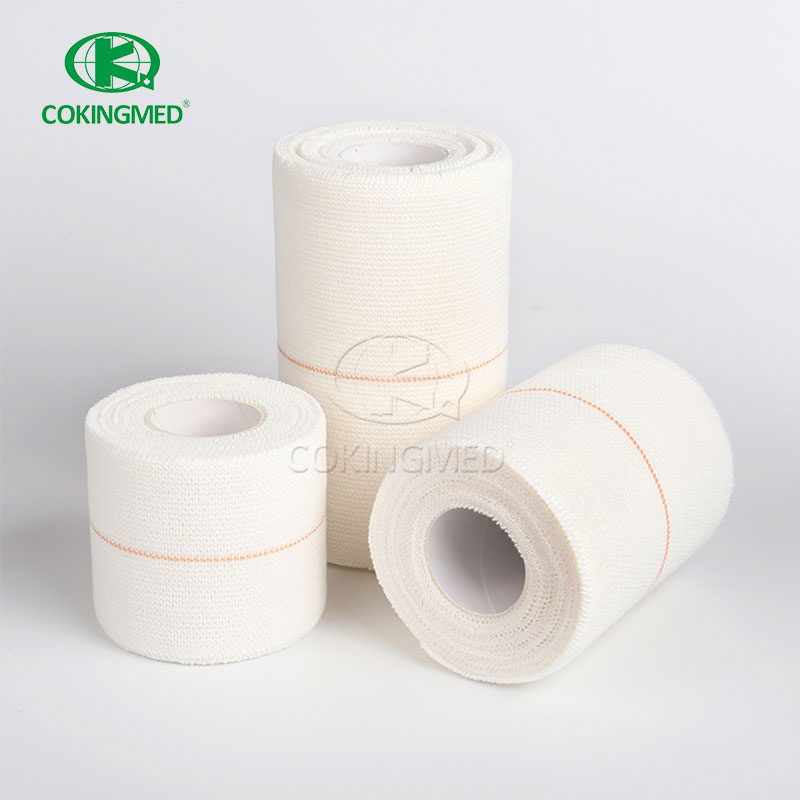
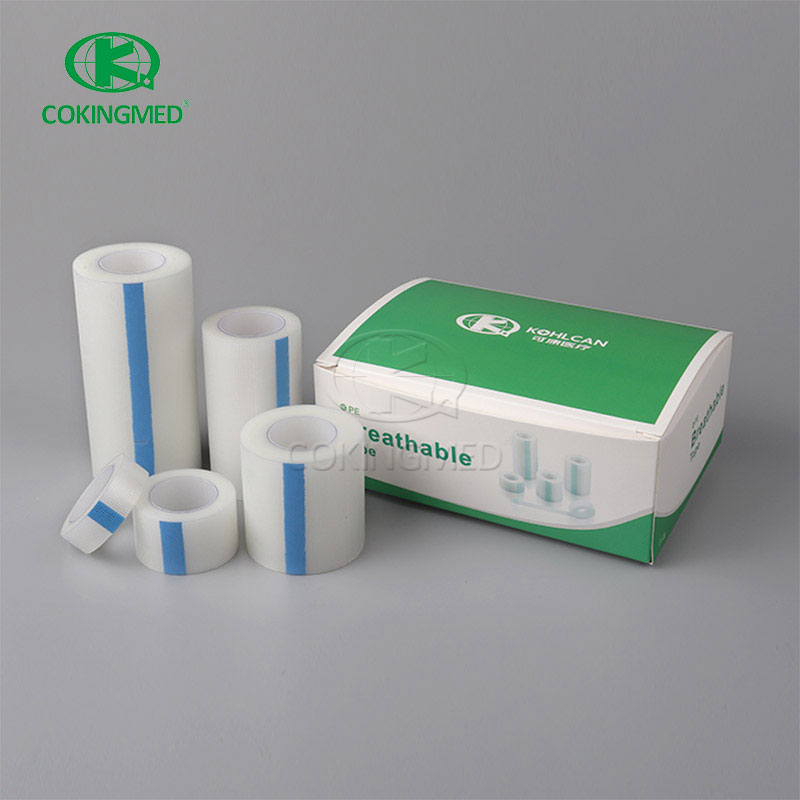
Polyethylene (PE) tape is coated on one side with a pressure‑sensitive adhesive that adheres effectively to skin surfaces. PE is known for its flexibility, stretchability, and moisture resistance. Unlike cloth tapes that can fray at the edges, PE tears cleanly by hand – no scissors needed in an emergency. It’s also lighter than many alternatives and doesn’t absorb fluids, so it stays intact even in humid wound environments.
Breathability – why skin needs air
Skin under a non‑porous tape macerates. Moisture builds up, bacteria grow. A quality surgical tape allows water vapor and oxygen to pass through while blocking external fluids. Breathable backings reduce the risk of skin breakdown, especially in long‑term applications like securing catheters or post‑surgical dressings.
Hypoallergenic properties – protecting fragile patients
Latex allergies and adhesive sensitivities are real concerns in any hospital. Clinical‑grade tape should be low‑allergen, safe for repeated application, and suitable for fragile or elderly skin. Some patients react to certain acrylic adhesives; others are sensitive to natural rubber. A well‑formulated surgical tape minimizes these risks through rigorous material selection.
A surgical tape that balances adhesion, breathability, and gentleness will serve your clinical staff well across a wide range of applications.
What Makes PE Tape Different from Other Types
Compared to PVC, cloth, or paper tapes, PE adhesive tape stands out in four ways.
Material composition
PE tape is made primarily from polyethylene, a flexible and stretchable polymer. PVC tape is stiffer and less environmentally friendly. Cloth tape may be stronger but can fray and trap bacteria.
Adhesive type
PE tape uses a pressure‑sensitive adhesive (PSA) that sticks on contact – no heat or moisture needed. Some other tapes use acrylic, rubber‑based, or solvent‑based adhesives that may leave residue or cause more skin irritation.
Flexibility and conformability
Due to its polyethylene composition, PE tape is highly flexible and stretchable, making it suitable for conforming to irregular body surfaces like elbows, knees, and knuckles.
Environmental impact
Polyethylene used in PE tape is generally more environmentally friendly compared to PVC. PE tape can often be recycled and has a lower environmental footprint in production and disposal.
Four Clinical Jobs This Tape Does Every Day
Based on product information and clinical practice, here are the primary applications.
Fixing dressings over wounds
The primary job is to keep gauze and dressings in place. When removed, the tape shouldn’t tear skin or leave sticky residue. That balance – strong hold, gentle release – comes from adhesive chemistry and backing material. Poor adhesion leads to dressing displacement, which increases infection risk.
Securing syringe needles and IV lines
During IV therapy, the tape must hold the needle hub firmly against the skin while allowing the site to be inspected. The transparent nature of some PE tapes allows clinicians to see the insertion site without removing the tape.
Holding catheters in place
Urinary and central line catheters need secure fixation to prevent accidental dislodgement. The tape must stretch with body movement – elbows, knees, shoulders – without losing adhesion. This requires the right balance of elasticity and tensile strength.
Anchoring tubing and monitoring devices
From ECG leads to oxygen tubing, surgical tape keeps medical devices positioned correctly. Easy removal is critical here – patients with fragile skin can suffer tears if the adhesive is too aggressive.
A surgical tape that handles these four jobs reliably will reduce waste, save nursing time, and improve patient outcomes.
Technical Specifications – What to Look for on the Datasheet
When you’re buying for a hospital or clinic, these specifications matter. The table below summarizes key attributes of a quality PE surgical tape.
| Attribute | What to look for | Why it matters |
|---|---|---|
| Backing material | Polyethylene (PE) | Flexible, moisture‑resistant, tears cleanly by hand |
| Adhesive type | Pressure‑sensitive medical adhesive | Sticks on contact, no heat needed, gentle removal |
| Breathability | Allows airflow (water vapor transmission) | Prevents maceration, promotes healing |
| Hypoallergenic | Low‑allergen, latex‑free | Safe for sensitive skin, reduces contact dermatitis |
| Stretch | Good conformability to body contours | Adapts to moving areas, stays in place |
| Tearability | Can be torn by hand | No scissors needed in emergency |
| Shelf life | 3 years (typical) | Predictable inventory management |
A surgical tape (fourth mention) that meets these specifications will perform consistently across a wide range of clinical applications.
Storage and Shelf Life – Small Details That Matter
Even the best tape fails if stored improperly.
Storage conditions
Store in a cool, dry place away from direct sunlight. Ideal temperature range: 15‑25°C. Humidity should be below 65%. Avoid stacking heavy boxes on tape rolls to prevent deformation. Prolonged exposure to heat or moisture will degrade the adhesive.
Typical shelf life
Quality PE surgical tape has a shelf life of 3 years from the date of manufacture when stored properly. This is standard for medical adhesive products. For bulk buyers, rotating stock using a first‑in, first‑out system ensures that older rolls are used before their adhesive properties decline.
Where to Find Surgical Tape That’s Actually Certified for Hospital Use
You could buy surgical tape from five different suppliers and get five different levels of quality. Or you could go to a company that has been making medical adhesives for years under the same roof.
Kekang started in Yueqing Science and Technology Innovation Park with one goal: produce surgical tapes, self‑adhesive bandages, and sports tapes that meet international medical standards. Their facility covers 60,000 square meters and employs over 200 people. They’ve collected the certifications that matter – German TÜV ISO 13485, ISO 9001, ISO 14001, OHSAS 18001, BSCI, US FDA registration, Russian product registration, and CE under EU MDR. Plus more than 20 product patents.
Why does that matter when you’re ordering tape?
-
ISO 13485 is the baseline for medical device quality management. Without it, you’re guessing.
-
CE and FDA mean the tape can clear customs in Europe and the US without surprises.
-
In‑house production of jumbo rolls and finished rolls means you don’t get batch‑to‑batch variation.
In 2021, Kekang installed an American coating line that runs 200,000 square meters of adhesive products per day. Their PE surgical tape is made from high‑quality polyethylene with a medical‑grade pressure‑sensitive adhesive – the same specifications you just read above.
Who Actually Buys Surgical Tape in Bulk?
| Buyer | Typical use | Annual volume estimate |
|---|---|---|
| Hospitals and clinics | Dressing retention, catheter securement | 500‑2,000 rolls per facility |
| Surgical centers | Post‑op dressing fixation | 200‑500 rolls per center |
| Nursing homes | Skin tear care, fragile skin applications | 100‑300 rolls per facility |
| Medical distributors | Resale to clinics and pharmacies | Container quantities |
| First‑aid kit manufacturers | Inclusion in trauma and home kits | 10,000+ rolls per order |
For bulk buyers, Kekang offers OEM and private label options – custom dimensions, custom packaging, and branded cartons. Their export experience includes Europe (25% of sales), America (20%), the US (10%), and Southeast Asia (10%).
Request a Sample Roll
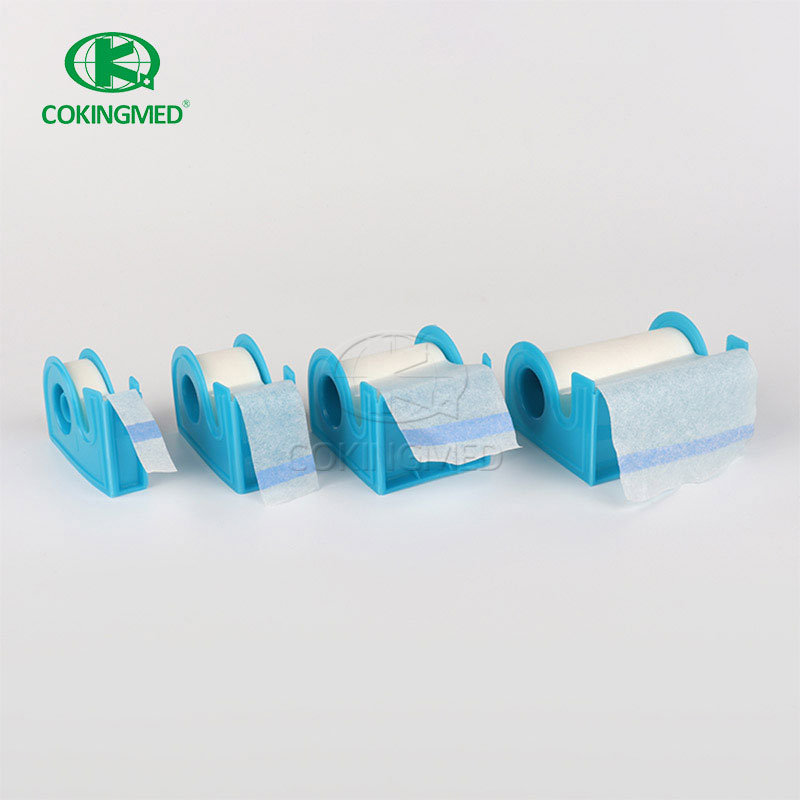
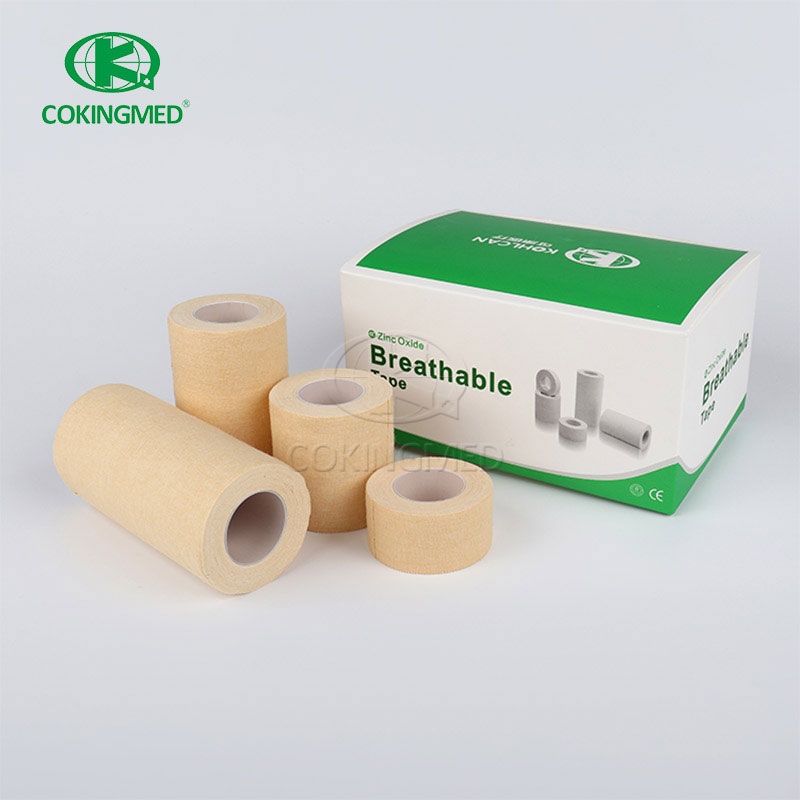
You don’t need to order a container to evaluate quality. Kekang can send you a sample of their PE adhesive surgical tape in the width you use most – 1.25cm, 2.5cm, 5cm, or 7.5cm. Test the adhesion on your own skin, check the breathability, and see how easily it tears.
A surgical tape that breathes, stretches, and removes gently will earn its place in your supply cabinet.