English
 Chinese
 Pусский
 España
 Deutsch
 Français
 Português
Breathable Fixation – Why Perforated Zinc Oxide Surgical Tape Outperforms Plastic on Skin
This scenario repeats in hospitals daily. The difference is not the dressing but the tape holding it. A surgical tape with perforated cotton cloth and zinc oxide adhesive offers breathability that plastic cannot match. This guide explains when to use it, which specifications matter, and why the higher per‑roll cost often translates to lower total expenses.
The Breathability Gap
Plastic tapes (polyethylene or PVC) are occlusive. They block moisture vapor. Under a dressing, sweat accumulates. The skin softens, macerates, and blisters form. Studies have shown that perforated cloth tape significantly reduces blister formation compared to non‑breathable alternatives.
Cloth‑backed zinc oxide tape with micro‑perforations allows air and moisture to escape. The skin stays dry. The adhesive holds even in humid conditions. For patients requiring prolonged fixation – central line dressings, catheter securement, or post‑surgical incisions – the difference is measurable.
Clinical Favorites
Surgical staff reach for perforated zinc oxide tape in several specific situations:
| Clinical need | Why this tape is preferred |
|---|---|
| Long‑term catheter securement (7+ days) | Breathability prevents skin breakdown |
| Fragile or elderly skin | Gentler removal than plastic, less stripping |
| Post‑operative dressings | Reduces maceration risk under occlusive dressings |
| IV and tube fixation | Strong hold even on moist skin |
| Paediatric care | Low allergy potential, easy to tear by hand |
A surgical tape that handles these diverse applications reduces the need to stock multiple tape types.
What the Perforations Actually Do
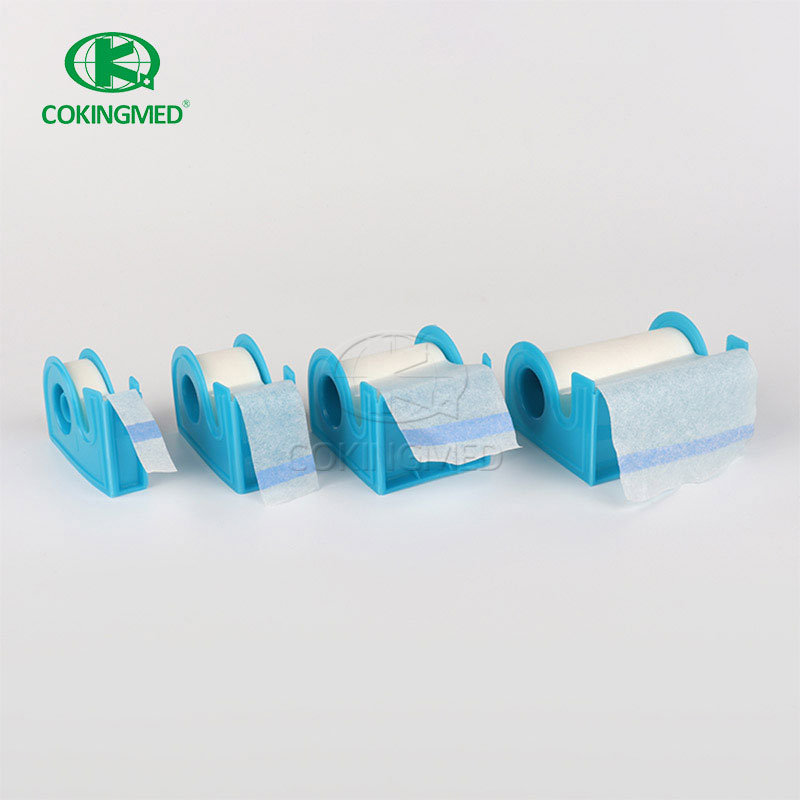
The tiny holes across the tape surface serve two practical purposes. First, they allow moisture vapor to escape – proven to reduce blister rates. Second, they make the tape easy to tear by hand in either direction, eliminating the need for scissors at the bedside.
Standard plastic tape often requires a sharp tug to tear, and it may stretch or distort. Perforated cloth tape tears cleanly along the hole line. This saves seconds per application, which adds up across a busy ward.
Specifications That Procurement Should Note
From manufacturer data, this perforated zinc oxide adhesive tape is available in the following sizes:
| Width | Length | Rolls per box | Carton quantity |
|---|---|---|---|
| 1.25cm | 5m | 24 | 30 boxes |
| 2.5cm | 5m | 12 | 30 boxes |
| 5.0cm | 5m | 6 | 30 boxes |
| 7.5cm | 5m | 6 | 24 boxes |
| 10cm | 5m | 6 | 18 boxes |
| 1.25cm | 10m | 24 | 30 boxes |
| 2.5cm | 10m | 12 | 30 boxes |
| 5.0cm | 10m | 6 | 30 boxes |
| 7.5cm | 10m | 6 | 18 boxes |
| 10cm | 10m | 6 | 12 boxes |
The tape has a shelf life of three years when stored correctly: humidity ≤80%, temperature -5°C to 40°C, in a clean, ventilated area away from corrosive gases.
Cost Reality for Procurement
The per‑roll price is higher than standard plastic tape. But the cost per successful dressing application is often lower. Plastic tape may fail early, requiring re‑application and additional nursing time. Skin injury from blisters adds treatment cost and may delay discharge.
A surgical tape that stays in place for the intended duration and prevents skin complications is not an expense – it is a saving.
Why Zinc Oxide Helps
Zinc oxide adhesive has a long history in medical plasters. It offers strong initial tack, good staying power, and lower rates of allergic contact dermatitis compared to some synthetic adhesives. It also has mild antibacterial properties, which help protect the skin beneath the tape from superficial infection.
For patients with known adhesive sensitivity or latex allergy, a latex‑free zinc oxide tape is a safer alternative to natural rubber‑based products. This makes it a common choice in post‑surgical and long‑term care settings.
One Manufacturer Behind This Tape
Kekang (Zhejiang Kekang Medical Technology Co., Ltd.) produces the perforated zinc oxide adhesive tape described here. Their factory in Yueqing Science and Technology Innovation Park covers 60,000 square meters. They hold ISO 13485 certification, and their products are CE marked. They have manufactured medical tapes, bandages, and adhesive products for over a decade.
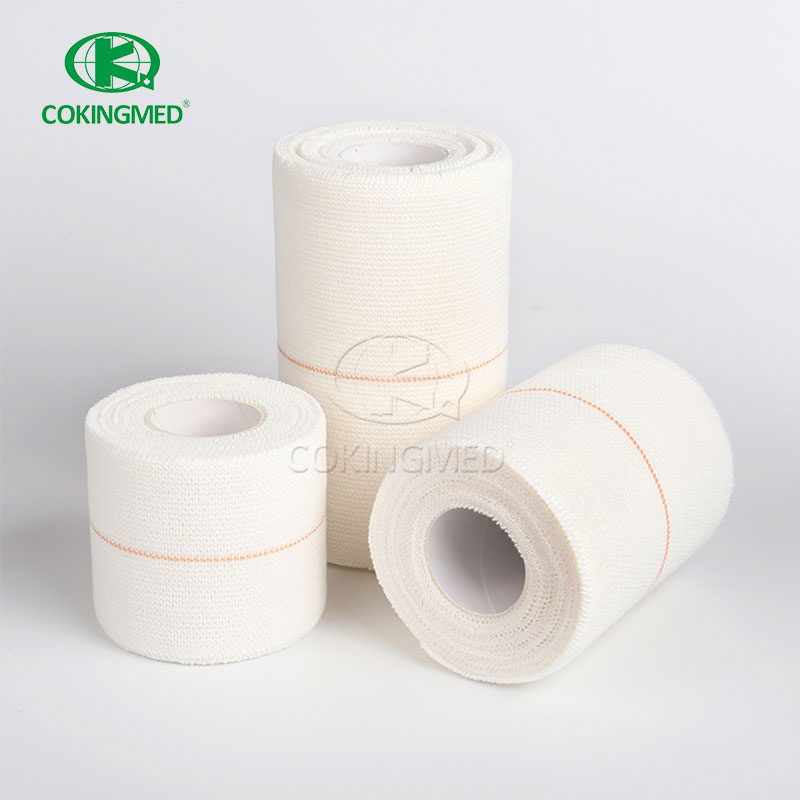
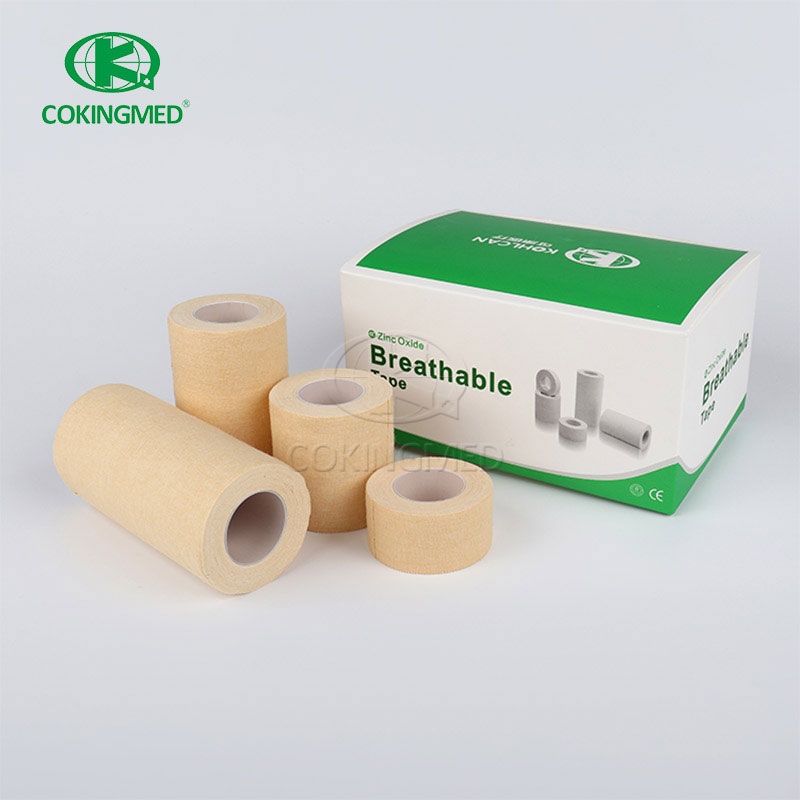
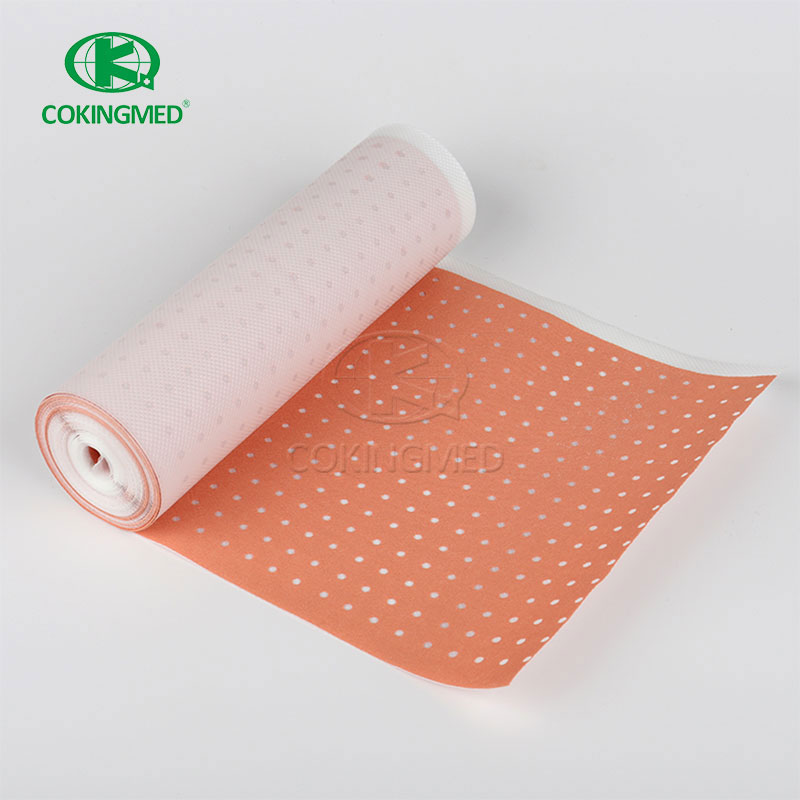
The perforated zinc oxide tape features cotton cloth backing, good adhesion, breathability, and perforations for easy tearing. It is supplied sterile for single use.
When Not to Use It
Perforated fabric tape is not ideal for every application. It is not waterproof – do not use it for underwater dressings or in shower covers. It is not the strongest option for heavy drainage or high‑tension wound closure. For those purposes, a reinforced plastic tape or a fabric tape with higher tensile strength would be more appropriate.
For standard fixation of clean, dry or lightly exuding wounds, catheters, IV lines, and tubes, however, the breathable fabric zinc oxide tape often performs better than non‑breathable alternatives.
Making the Switch
If your facility still relies on plastic tape for most applications, consider a trial on one ward. Use perforated zinc oxide tape for a month on patients with central lines, catheters, or known fragile skin. Compare blister rates, tape failure rates, and nursing satisfaction.
A surgical tape that reduces skin complications and holds reliably often becomes the ward’s preferred choice – not because it is cheaper, but because it works better.