English
 Chinese
 Pусский
 España
 Deutsch
 Français
 Português
Why Do Coaches, Nurses, and Physical Therapists All Rely on the Same Elastic Adhesive Bandage?
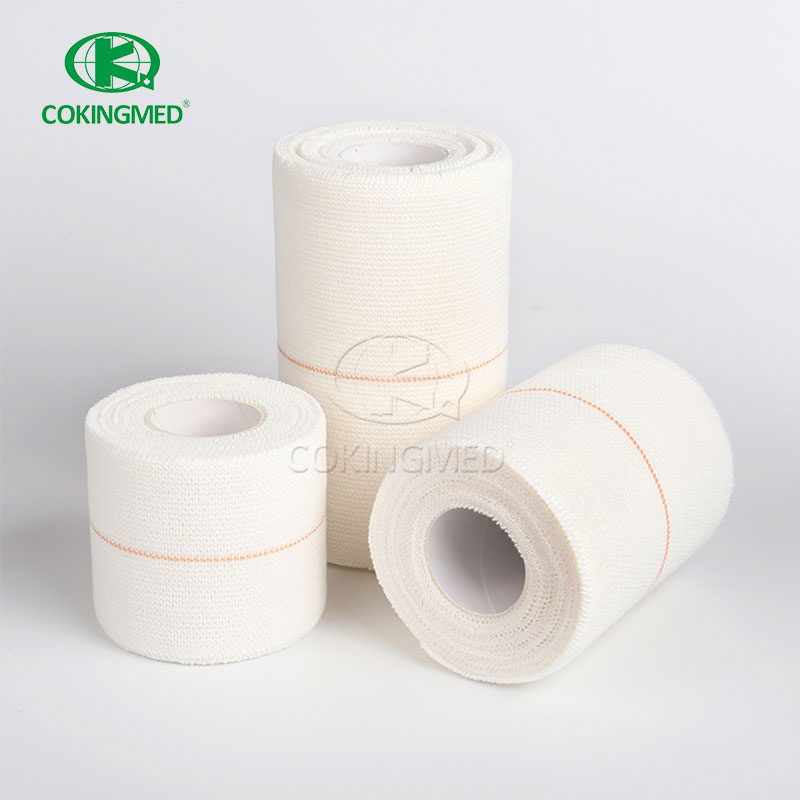
You’ve seen them in medical cabinets, sports bags, and first‑aid kits – rolls of tan‑colored, slightly stretchy tape. An elastic adhesive bandage is not just a wide bandage; it’s a multipurpose tool. Made from woven natural fibers, it breathes, conforms, and sticks to itself or to skin without leaving painful residue. Coaches use it to wrap ankles before a game. Nurses use it to secure gauze over a wound. Physical therapists use it to support weakened joints. This guide covers four main applications – sports protection, wound bandaging, medical assistance, and daily protection – and explains why a quality elastic adhesive bandage belongs in every clinic, training room, and home first‑aid kit.
What Is an Elastic Adhesive Bandage?
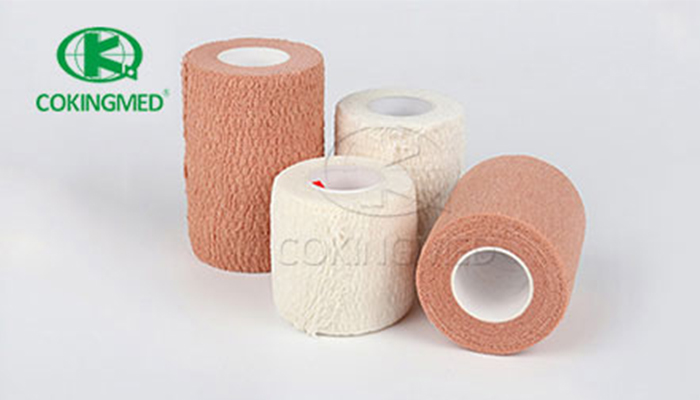
An elastic adhesive bandage (EAB) is a roll of stretchy, woven fabric coated with a pressure‑sensitive adhesive. Unlike rigid sports tape, it moves with the body. Unlike non‑adhesive elastic bandages, it sticks to itself without clips or fasteners.
Material and construction
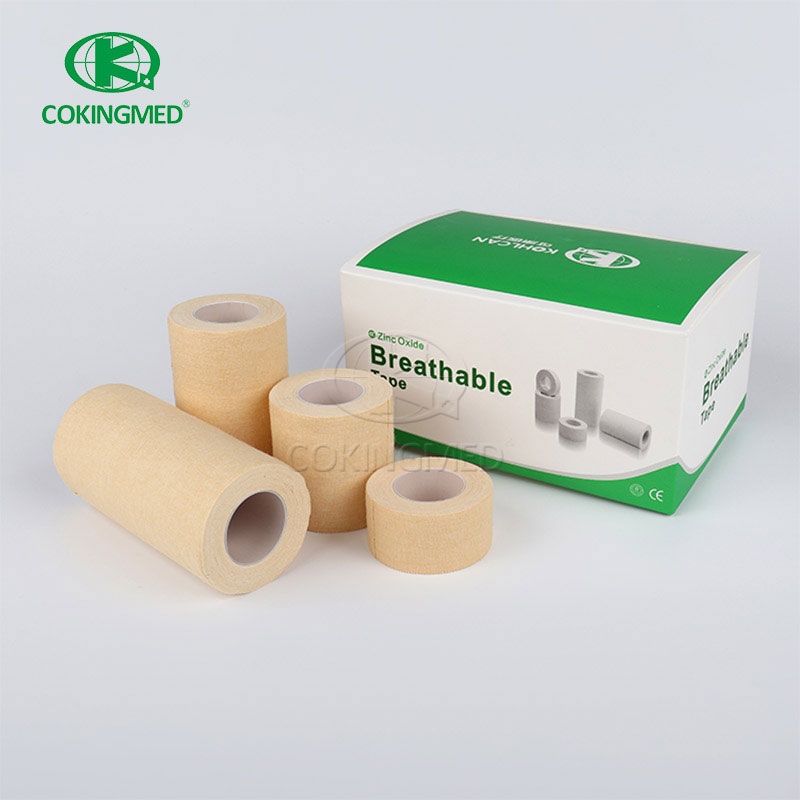
The bandage is made from woven natural fibers – typically cotton – which makes it soft and comfortable against the skin. The adhesive is medical‑grade, designed to stick to skin or to the bandage itself without causing excessive irritation. The elastic weave allows the bandage to stretch up to 50‑100% of its length, providing compression while allowing movement. For patients with sensitive skin, some manufacturers offer hypoallergenic versions with acrylic adhesive instead of natural rubber latex.
Key characteristics
| Feature | Benefit |
|---|---|
| Woven natural fibers | Soft, breathable, comfortable for long wear |
| Elastic stretch | Conforms to body contours, allows joint motion |
| Pressure‑sensitive adhesive | Sticks on contact, no heat or moisture needed |
| Self‑adherent property | Holds to itself, no clips or pins required |
| Tearable by hand | No scissors needed for quick application |
In a busy clinic or on a sports sideline, being able to tear the bandage by hand saves precious seconds. The adhesive is formulated to stick firmly but remove cleanly, reducing patient discomfort during dressing changes.
A elastic adhesive bandage is not a replacement for rigid tape when complete immobilization is needed, but it excels at providing moderate support with comfort.
Four Primary Uses of Elastic Adhesive Bandage
Based on the product information, this bandage serves four main categories of application. Each use case has specific tension requirements and application techniques.
1. Sports protection – preventing injuries during activity
Athletes at all levels use elastic adhesive bandages to protect vulnerable joints. Unlike rigid tape that can restrict circulation or limit performance, an elastic bandage provides dynamic support – it moves with the muscle while still preventing excessive range of motion.
-
Ankle wrapping – Prevents sprains during running, basketball, football, and soccer. The bandage provides support and stability without restricting full range of motion. A common technique is the figure‑eight wrap, which stabilizes the talofibular ligament.
-
Wrist protection – Used during weightlifting, tennis, gymnastics, and volleyball to stabilize the wrist while allowing grip strength. For weightlifters, wrapping the wrist reduces hyperextension during overhead presses.
-
Knee and elbow support – Mild compression helps with patellar tracking and tennis elbow. Runners often wrap the knee to alleviate iliotibial band friction.
The bandage’s elasticity allows athletes to perform dynamic movements while reducing the risk of rolling or hyperextension. For team sports, a single roll can be used for multiple athletes in a single practice session.
2. Wound bandage – first aid and post‑surgical dressing
As a medical product, the elastic adhesive bandage is commonly used for securing dressings. Its breathability and conformability make it superior to plastic tape for many applications.
-
Small cuts and abrasions – Stops bleeding and protects the wound from dirt and bacteria. The breathable fabric helps healing by allowing air circulation while keeping out contaminants.
-
Surgical dressing retention – After minor procedures such as mole removal or laceration repair, the bandage holds gauze in place without needing additional tape. It is less irritating than plastic surgical tape, especially on sensitive skin.
-
Wilderness first aid – Lightweight and compact, it’s ideal for outdoor kits. It can be used as a temporary bandage for injuries sustained while hiking, camping, or traveling. Unlike adhesive plasters, one roll can wrap a wide range of body parts.
Unlike plastic adhesive tape, the elastic bandage conforms to irregular body surfaces like elbows, knees, and knuckles. It also allows for compression, which helps reduce bleeding and swelling.
3. Medical assistance – chronic condition support
Patients with chronic musculoskeletal conditions can use the bandage under medical guidance. In many rehabilitation protocols, elastic adhesive bandages are recommended as an intermediate step between rigid immobilization and no support.
-
Arthritis and tenosynovitis – Provides compression and warmth, which may help relieve pain and reduce inflammation. The bandage supports the affected joint without completely immobilizing it, allowing patients to maintain daily activities.
-
Rehabilitation support – During recovery from strains or minor ligament injuries, the bandage helps fix the injured part, promoting healing while allowing controlled movement. Physical therapists often use it as a transition from a cast to full activity.
-
Post‑injury protection – After an ankle sprain or wrist strain, the bandage can be worn during daily activities to prevent re‑injury. Many patients wear it under socks or sleeves for discreet support.
A elastic adhesive bandage used in these applications should be applied with proper tension – too tight can restrict circulation, too loose offers no support. Clinicians should train patients on correct wrapping technique.
4. Daily protection – reducing fatigue and irritation
Even for people without acute injuries, an elastic adhesive bandage offers everyday benefits. It is a low‑cost, low‑risk intervention for common discomforts.
-
Leg bandaging for long standing/walking – People who stand or walk for extended periods (retail workers, nurses, travelers) can wrap their lower legs to reduce fatigue and swelling. The graduated compression supports venous return, preventing blood pooling.
-
Protecting abrasion‑prone areas – Elbows and knees that rub against surfaces (e.g., during floor work or crawling) can be wrapped to reduce external stimulation. This is especially useful for electricians, plumbers, or construction workers who kneel frequently.
-
Allergy barrier – For sensitive skin that reacts to certain materials (e.g., nickel in belt buckles or elastic in clothing), a layer of elastic adhesive bandage can act as a barrier.
For long‑distance hikers, wrapping blister‑prone areas before a trek can prevent hotspots from becoming full blisters.
How to Apply an Elastic Adhesive Bandage
Proper application technique ensures effectiveness and safety. Incorrect wrapping can lead to nerve compression, skin damage, or inadequate support.
Preparation
-
Clean and dry the skin. For wound dressing, apply sterile gauze first. If the skin is oily or sweaty, wiping with alcohol can improve adhesion.
-
For hairy limbs, consider using an underwrap to prevent hair pulling. Underwrap is a thin foam layer that goes under the bandage and is available from medical suppliers.
-
Trim fingernails or toenails that could puncture the bandage during wrapping.
Application steps
-
Anchor the starting end – Place the end of the bandage on the skin or dressing, holding it with your thumb. For extra security, make one full wrap without tension first.
-
Wrap with tension – Unroll the bandage, applying even tension (typically 50‑75% stretch). Overlap each layer by half the bandage width. This prevents gaps that could cause bunching.
-
Shape to contours – For ankles, use a figure‑eight pattern. For straight limbs, use spiral wraps. For joints like the knee, alternate between above and below to create a “butterfly” pattern.
-
Finish by pressing the end – The adhesive will stick to the previous layer. No clips needed. Run your finger along the edge to ensure it’s secure.
Tension guidelines
-
Light support (e.g., dressing retention) – 25‑50% stretch. The bandage should feel snug but not constricting.
-
Moderate support (e.g., sports protection) – 50‑75% stretch. You should feel compression, but be able to slip a finger under the edge.
-
Firm support (e.g., mild sprain) – 75‑100% stretch, but check circulation. Use only under professional supervision.
Removal
-
Pull the bandage off in the direction of hair growth to minimize discomfort. If it sticks, do not yank; gently lift the edge and peel slowly.
-
If adhesive residue remains, use medical adhesive remover (e.g., Detachol) or baby oil. Rubbing alcohol can also work but may dry the skin.
A elastic adhesive bandage applied correctly stays in place for hours without slipping. It will conform to the body’s contours and maintain consistent compression.
Common Mistakes to Avoid
Using too much tension
Excessive tension can cut off circulation or cause nerve compression. After wrapping, check capillary refill in fingers or toes. Press the nail bed; it should pinken within 2 seconds. If the area becomes blue, cold, or numb, rewrap with less tension.
Wrapping without an anchor
If the starting end is not held firmly, the bandage will unwind. Always make at least one full wrap with light tension to secure the anchor point.
Overlapping too little
If you don’t overlap enough (less than half the width), gaps can allow the bandage to shift or skin to show through, reducing support. Aim for a consistent 50% overlap throughout.
Leaving the bandage on too long
Remove the bandage daily to inspect the skin. Prolonged use (more than 24 hours) can lead to maceration (skin breakdown from moisture) or dermatitis. For chronic conditions, apply a fresh bandage each day after cleaning the skin.
Using on open wounds without a sterile barrier
The bandage itself is not sterile. For wound dressing, always place a sterile gauze pad between the bandage and the wound.
Who Should Use Elastic Adhesive Bandages?
The product is suitable for a wide range of users and settings. Below is a quick reference for procurement professionals.
| User | Typical application | Approximate annual quantity (per person/team) |
|---|---|---|
| Sports teams (schools, clubs) | Ankle and wrist protection during practice and games | 10‑20 rolls per season for a team of 30 |
| Clinics and hospitals | Securing wound dressings, post‑procedure compression | 50‑100 rolls per month for a busy urgent care |
| Physical therapy centers | Supporting chronic conditions (arthritis, tenosynovitis) | 5‑10 rolls per week per therapist |
| First‑aid responders | Temporary bandaging for cuts and abrasions | 10‑20 rolls per ambulance |
| Individuals with active jobs | Leg wrapping to reduce fatigue from standing/walking | 2‑4 rolls per month per worker |
| Outdoor enthusiasts | Compact wound care in hiking, camping, or travel kits | 1‑2 rolls per person per season |
For bulk purchasing, consider ordering in cases of 24 or 48 rolls to reduce per‑unit cost.
Practical Answers to Common Questions
Instead of a standard FAQ, here are answers to the five things buyers most often ask.
● Does this bandage contain latex?
The fabric is cotton. The adhesive may contain synthetic latex; check the product specification if latex allergy is a concern. Many manufacturers offer latex‑free versions.
● Can I wash and reuse it?
No. The adhesive is single‑use. After removal, the bandage loses its stickiness and should be discarded. Attempting to wash it will degrade the adhesive.
● Which width should I order?
-
2 inches (5cm) – fingers, toes, small wrists
-
3 inches (7.5cm) – wrists, ankles, elbows (most common size)
-
4 inches (10cm) – knees, thighs, lower legs
For a team or clinic, ordering a mix of 3‑inch and 4‑inch rolls covers 90% of applications.
● Can it go under a splint or cast?
Yes, as a padding layer. The breathable fabric reduces moisture buildup under rigid splints. However, it should not replace a proper cast padding.
● Is it sterile?
Most elastic adhesive bandages are non‑sterile. For wound dressing, place sterile gauze between the bandage and the wound. Sterile versions are available at a higher cost for operating room use.
Supplying the Right Bandage for Your Facility
Whether you run a sports medicine clinic, equip a high school athletic department, or manage a hospital supply room, elastic adhesive bandages are a staple. Choose a product made from woven natural fibers with reliable adhesive performance. When evaluating suppliers, ask for:
-
Adhesion strength data (peel adhesion test results)
-
Breathability (moisture vapor transmission rate)
-
Latex content disclosure
-
Sterility certification if needed
-
Bulk pricing tiers (e.g., case of 24, case of 48)
An elastic adhesive bandage is a small investment that serves multiple purposes – from preventing ankle sprains to securing post‑surgical dressings. Having the right quantity and width on hand ensures your staff or team is always prepared.