English
 Chinese
 Pусский
 España
 Deutsch
 Français
 Português
From Ankle Sprains to Wrist Support – How Sports Tape Protects Active Bodies
Two Types of Sports Tape – Elastic vs. Non‑Elastic
The choice between elastic and non‑elastic tape depends entirely on the joint and the activity.
Elastic sports tape – for active range of motion
Elastic tape stretches with the body. It’s designed for muscles and joints that need to move through their full range – shoulders, knees during running, elbows during throwing. The tape provides proprioceptive feedback (sensory awareness) and mild compression but does not restrict movement. It’s often used for:
-
Muscle strain prevention
-
Light joint support during dynamic sports (volleyball, basketball, tennis)
-
Swelling reduction via lymphatic drainage (when applied correctly)
-
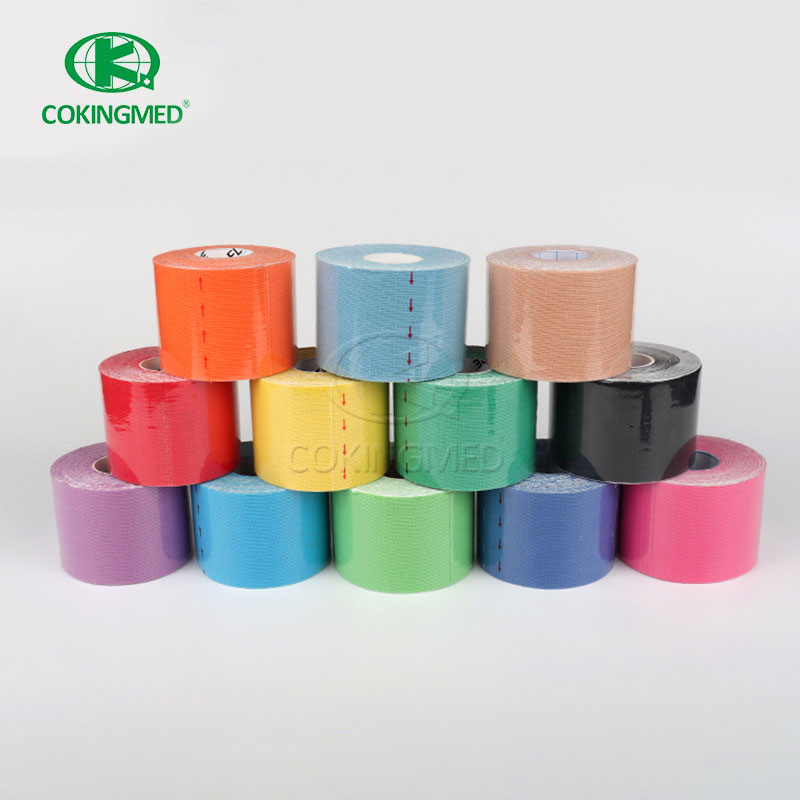
Kinesiology taping applications that require stretch
-
Patellar tendon support (jumper’s knee)
-
Achilles tendon mild support
Non‑elastic sports tape – for fixation and protection
Non‑elastic tape does not stretch. Once applied, it holds the joint in a fixed position, limiting excessive motion. This is critical for injury recovery or preventing re‑injury. Common uses:
-
Ankle sprain protection (limiting inversion/eversion)
-
Wrist immobilization after a sprain
-
Knee brace tape to prevent hyperextension
-
Taping for joint instability (e.g., acromioclavicular joint)
-
Thumb spica taping for skier’s thumb
-
Finger splinting for jammed or dislocated fingers
-
Elbow hyperextension taping in gymnastics or football
A sports tape that is non‑elastic, such as rigid cotton tape, provides the strong support needed for these applications.
Rigid Cotton Sport Tape – When You Need Maximum Fixation
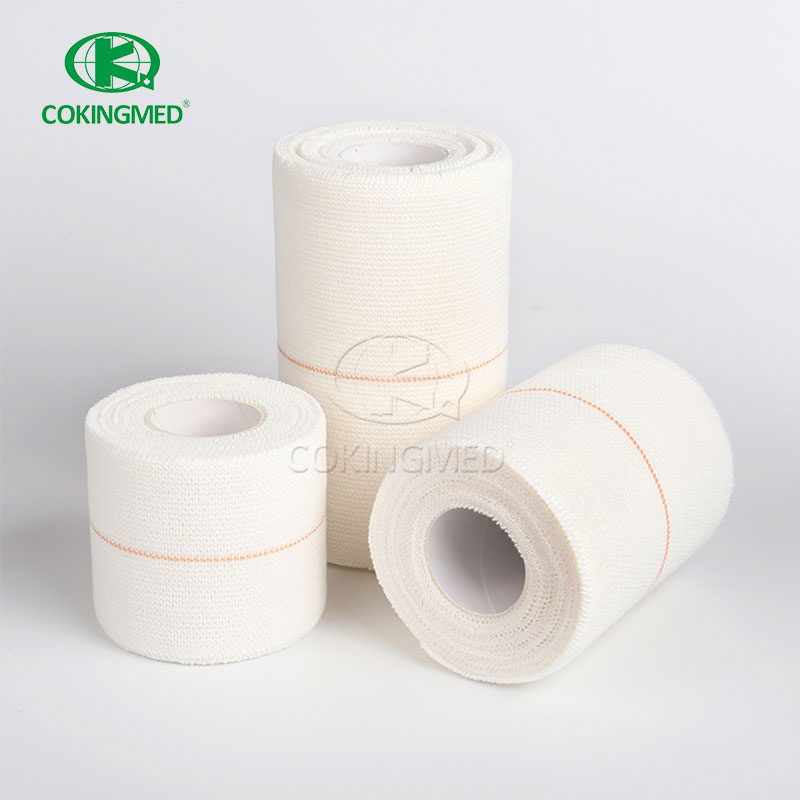
Rigid cotton sports tape is a classic non‑elastic tape. It’s made from 100% cotton with a zinc oxide or acrylic adhesive. The cloth backing is strong, breathable, and tearable by hand.
Key characteristics
| Feature | Benefit |
|---|---|
| Non‑elastic cotton fabric | Holds joints firmly, no stretch |
| Breathable material | Allows sweat evaporation, reduces skin irritation |
| Zinc oxide adhesive | Strong hold, resists sweat and movement |
| Hand‑tearable | No scissors needed in emergency |
| Available in multiple widths | 1.5″ to 3″ for different body parts |
| Conforms to contours | Wraps around ankles, wrists, thumbs smoothly |
Typical applications for rigid cotton tape
-
Ankle taping – basket weave or figure‑eight patterns to prevent rolling
-
Wrist taping – for sprains or hyperextension
-
Finger taping – buddy taping or splinting for jammed fingers
-
Thumb taping – for skier’s thumb or gamekeeper’s thumb
-
Knee taping – medial or lateral support for ligament strains
-
Shoulder taping – limited range of motion after mild sprain
-
Toe taping – turf toe or fracture buddy taping
A sports tape like rigid cotton is the first choice for athletic trainers in contact sports such as football, rugby, and hockey.
.jpg)
Choosing the Right Tape for the Right Joint
Different body parts need different taping approaches. Here’s a quick guide.
| Body part | Recommended tape type | Purpose |
|---|---|---|
| Ankle | Non‑elastic (rigid cotton) | Prevent inversion sprains |
| Wrist | Non‑elastic | Limit flexion/extension |
| Knee (running) | Elastic | Support while allowing full bend |
| Knee (ligament injury) | Non‑elastic + hinged brace | Immobilization |
| Shoulder | Elastic | Proprioception, mild support |
| Finger | Non‑elastic (narrow tape) | Buddy taping or splinting |
| Elbow (tennis elbow) | Elastic (or kinesiology) | Pain relief, movement support |
| Thumb | Non‑elastic (1.5″) | Skier’s thumb, CMC joint support |
| Toe | Non‑elastic (1″ or 1.5″) | Turf toe, fracture buddy taping |
Width selection
-
1 inch (2.5cm) – very small joints (toes, small fingers)
-
1.5 inches (3.8cm) – fingers, toes, small joints, thumbs
-
2 inches (5cm) – wrists, ankles (most common size)
-
3 inches (7.5cm) – knees, shoulders, larger areas
Quantity estimation for a team
For a high school football team (50 players), a typical season may require 20‑30 rolls of 2″ rigid tape and 10‑15 rolls of elastic tape. Ankle taping uses the most tape – about 0.5‑1 roll per athlete per week for heavy usage. For a basketball team (15 players), 10‑15 rolls per season is typical.
How to Apply Rigid Cotton Sports Tape
Proper application technique is as important as the tape itself. Here’s a step‑by‑step method for ankle taping – the most common application.
Prepare the skin
-
Clean and dry the area. Shave if necessary.
-
Apply pre‑wrap or underwrap if you have sensitive skin.
-
For extra adhesion, use a spray adhesive (e.g., tincture of benzoin).
Apply anchor strips
Place two strips around the limb above and below the joint. These serve as the foundation for the tape.
Apply support strips
Run tape from one anchor to the other, crossing the joint. For an ankle, use a stirrup pattern. For a wrist, use a figure‑eight.
Finish with locking strips
Place horizontal strips over the ends of the support strips to lock them down.
Check circulation
After taping, check capillary refill on fingers or toes. If the tape is too tight, remove and reapply.
A sports tape applied correctly can stay in place for an entire practice or game.
Common Mistakes to Avoid
Using elastic tape when you need rigid
Elastic tape won’t prevent an ankle roll. For injury protection, always use non‑elastic tape for fixation.
Applying too tightly
Excessive tension can cut off circulation or cause nerve compression. Leave enough room for normal blood flow.
Not using pre‑wrap
Rigid cotton tape can irritate skin, especially on hairy limbs. Pre‑wrap protects the skin and makes removal less painful.
Leaving tape on too long
Remove tape after activity. Leaving it on for days can cause skin maceration or adhesive dermatitis.
Storing tape improperly
Keep tape in a cool, dry place. Humidity can degrade the adhesive. Heat can cause the tape to lose its rigidity.
Pulling tape from the roll at a sharp angle
Tear tape straight across, not at an angle, to avoid creating “whiskers” (loose cotton fibers) that weaken the tape.
Frequently Asked Questions
Yes, but be careful. Apply light tension. If the joint is very swollen, consult a medical professional before taping.
For rigid cotton tape, remove within 24 hours. For elastic tape, up to 3‑5 days if skin is healthy. Always remove immediately if irritation occurs.
Rigid cotton tape is not waterproof. Remove before showering. Waterproof elastic tape exists but is less common.
No. Kinesiology tape is elastic, thin, and used for muscle facilitation/inhibition. Sports tape (rigid) is non‑elastic and used for joint fixation.
About 2‑3 years if stored properly (cool, dry, away from sunlight). Adhesive degrades over time.
Where to Buy Quality Sports Tape
Rigid cotton sports tape is widely available from medical supply companies, sports medicine distributors, and online retailers. Look for:
-
Zinc oxide adhesive for strong hold
-
Cotton backing that tears cleanly
-
Multiple width options
-
Sterile or non‑sterile depending on application (sterile for open wounds)
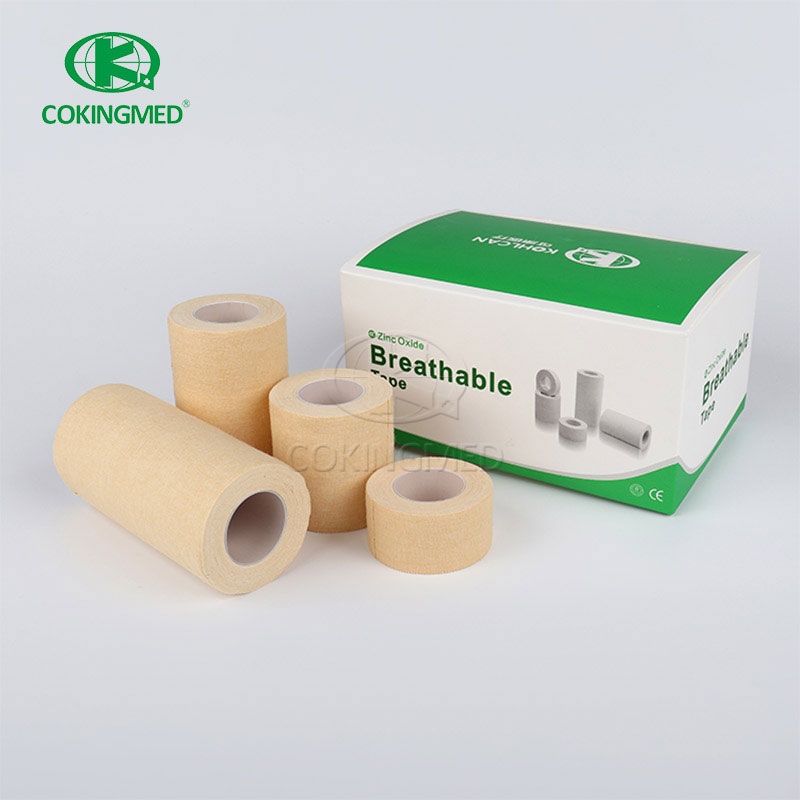
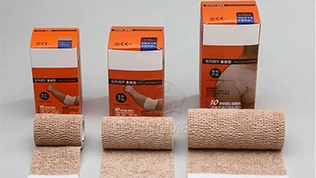
For the product shown – Rigid Cotton Sport Tape – it is designed for athletic taping, first aid, and injury prevention. The cotton construction offers breathability and conformability, while the non‑elastic nature provides rigid support.
Stock the Right Tape for Your Athletes
Whether you’re a coach, trainer, or team parent, having the correct sports tape on hand is essential. Rigid cotton tape for ankles and wrists, elastic tape for knees and shoulders – keep both types in your kit.
A sports tape is a small investment that can prevent a season‑ending injury. Choose wisely, apply correctly.