English
 Chinese
 Pусский
 España
 Deutsch
 Français
 Português
Silk Tape in Modern Wound Care: Why’s Surgical Tape Made from Natural Fibers Still Win?
The Material Difference – Natural Silk vs. Synthetic Backings
Unlike plastic or paper tapes, silk tape uses woven natural silk fibers. This backing is then coated with a medical‑grade pressure‑sensitive adhesive. The result is a tape that combines flexibility, breathability, and gentle adhesion.
Why silk feels different on the skin
The fabric is lightweight and flexible. Patients barely feel it. For elderly or fragile skin, silk is much gentler than plastic tapes. Many clinicians specifically request surgical tape with a silk backing for patients with a history of skin tears. In long‑term care facilities, where residents may have paper‑thin skin, silk tape is often the only safe option.
No toxicity, no irritation
Silk tape is non‑toxic and non‑irritating. That’s critical for post‑surgical wounds or long‑term catheter fixation. Some synthetic adhesives contain acrylics or rubber accelerators that can cause contact dermatitis, especially with repeated applications. Silk tape avoids these sensitizers, making it suitable for patients undergoing multiple dressing changes over weeks or months.
Stretch and conformability
Silk tape moves with the body. It doesn’t pull or restrict. It conforms to curved surfaces like shoulders, elbows, or ankles without wrinkling. This makes it ideal for joints and irregular body contours. For active patients or those in rehabilitation, this conformability reduces the risk of tape loosening during movement.
Clinical Scenarios Where Silk Tape Excels
Nurses rely on silk tape for multiple everyday tasks:
-
Fixing all types of dressings over wounds
-
Securing syringe needles during IV therapy
-
Holding urinary and central line catheters
-
Anchoring tubing to the skin
-
Securing light compression bandages
It’s not the strongest tape for heavy drainage or high‑tension applications, but for routine fixation, it’s the first choice in many departments. A dependable surgical tape for these applications must balance adhesion with gentleness – a balance that silk achieves naturally.
Specific use cases in detail
Post‑operative wound care: After surgery, dressings are changed frequently. Silk tape’s gentle removal minimizes trauma to healing incisions, reducing the risk of dehiscence.
Geriatric care: Elderly patients often have thin, fragile skin. Plastic tapes can tear the epidermis on removal; silk tape is much safer.
Pediatric settings: Children may be sensitive to adhesive pain. Silk tape’s low‑irritation properties make it preferable for securing IV lines or small dressings.
Oncology units: Chemotherapy can make skin extremely sensitive. Silk tape is often the only tape tolerated.
Technical Specifications – What Hospital Buyers Need to Check
When purchasing for a hospital or clinic, these specifications matter. The table below summarizes key parameters.
| Specification | Detail |
|---|---|
| Backing material | Woven silk fabric |
| Adhesive | Medical‑grade pressure‑sensitive |
| Skin safety | Non‑toxic, non‑irritating, hypoallergenic |
| Stretch | Free stretch, good conformity |
| Color | White |
| Shelf life | 3 years |
| Storage | Humidity ≤80%, temp -5°C to 40°C, clean and ventilated |
| Widths available | 1.25cm, 2.5cm, 5cm, 7.5cm, 10cm |
| Lengths available | 5m or 10m |
Packaging and inventory considerations
Roll counts per box vary by width (e.g., 24 rolls for 1.25cm, 12 for 2.5cm, 6 for 5cm). Carton quantities range from 24 to 48 boxes. Standardized packaging simplifies central supply management. For large hospital systems, consistent carton dimensions also help with automated dispensing systems.
Product Spotlight – Silk Adhesive Tape
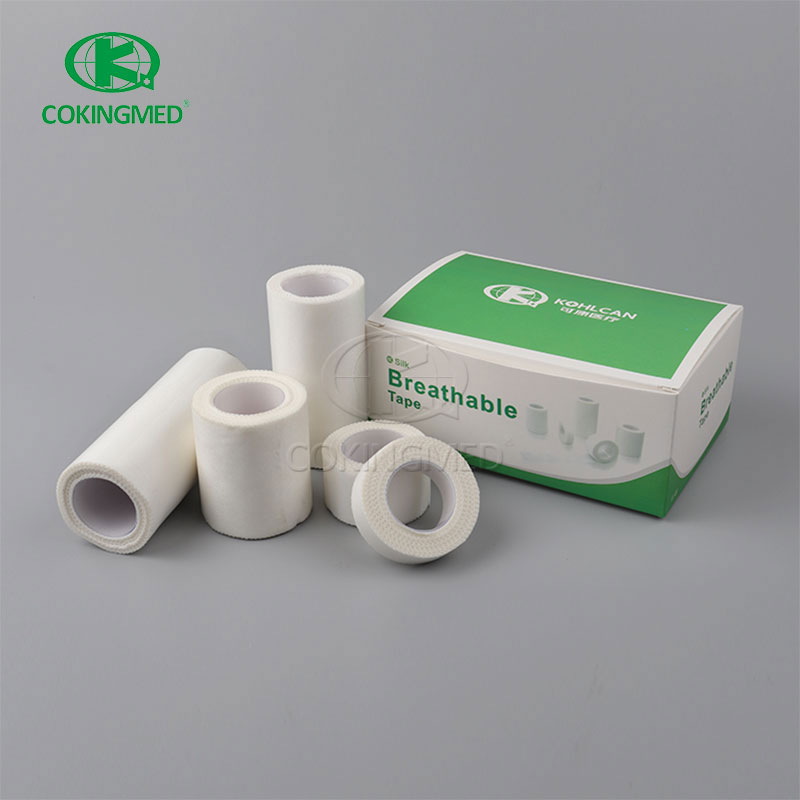
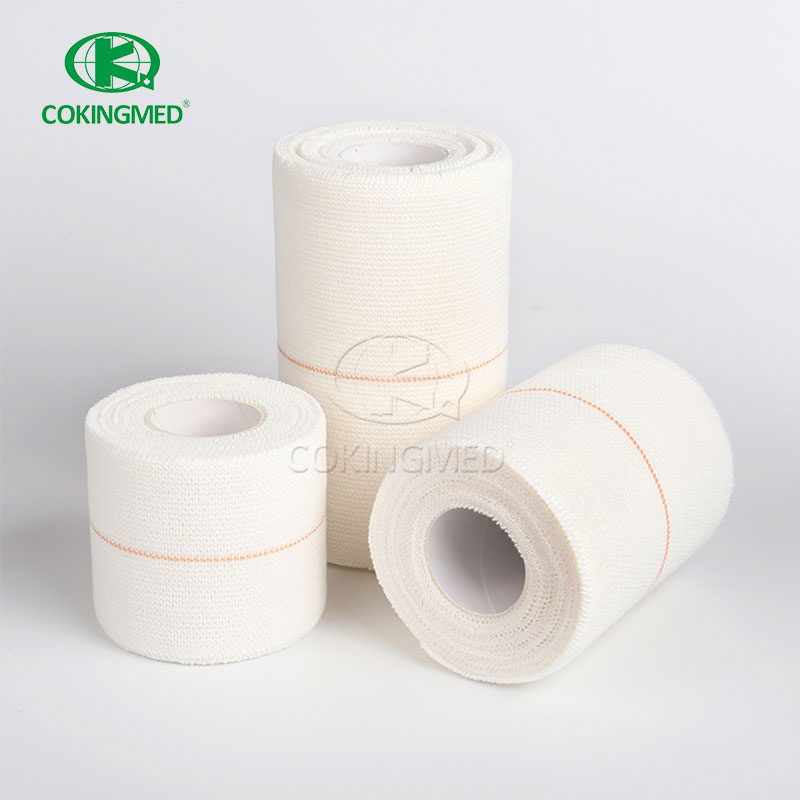
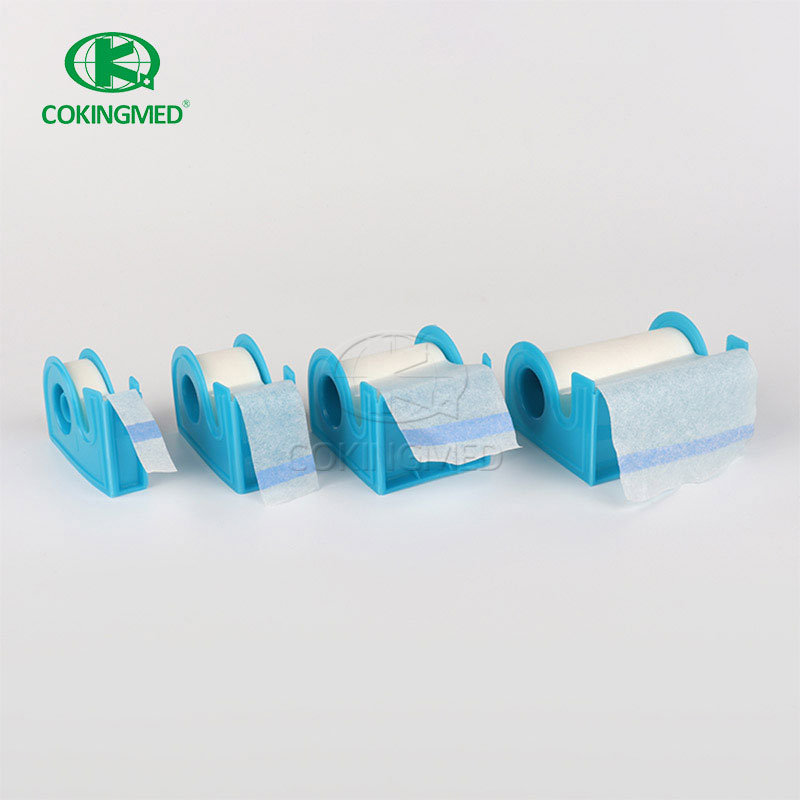
The silk adhesive tape shown above is manufactured under ISO 13485. Its natural fiber backing provides breathability that plastic tapes lack. The adhesive holds securely but removes cleanly, leaving no residue. This makes it ideal for patients with sensitive skin, the elderly, and those requiring frequent dressing changes. The tape is also easy to tear by hand, eliminating the need for scissors at the bedside.
One ISO 13485 Manufacturer Behind This Tape
Kekang (Zhejiang Kekang Medical Technology Co., Ltd.) produces the silk tape described here. Their product codes SKZT001 through SKZT007 cover all common widths and lengths.
Quality assurance practices
Kekang operates an ISO 13485 certified facility. They perform in‑house testing for:
-
Material safety (cytotoxicity, sensitization, irritation)
-
Adhesive strength (peel adhesion, tack, shear)
-
Breathability (moisture vapor transmission rate)
-
Sterility and shelf‑life stability
Every batch of surgical tape is tested before release. That means consistent performance from roll to roll.
Experience and scale
With over ten years of experience in medical tapes, Kekang’s 60,000 m² campus includes a dedicated R&D lab and automated production lines. For buyers, this translates to reliable supply, custom formulation options, and shorter lead times.
Storage and Handling – Protecting a Natural Product
Silk tape is a natural material. To maintain its adhesive properties for the full three‑year shelf life, follow these storage guidelines:
-
Relative humidity ≤80%
-
Temperature between -5°C and 40°C
-
No corrosive gases in the storage area
-
Well‑ventilated, clean room
-
Keep away from direct sunlight and heat sources
Avoid stacking heavy boxes on tape rolls to prevent deformation. If rolls become compressed, the adhesive may ooze or the backing may crease, affecting performance.
Why Silk Tape Remains Relevant in Today’s Healthcare
Synthetic tapes are stronger and cheaper. But they often cause skin reactions, especially with repeated use. Silk tape fills a critical gap: gentle enough for the most vulnerable patients, yet strong enough for everyday fixation. It’s also easy to tear by hand – no scissors needed at the bedside.
For hospital procurement teams, stocking silk tape means fewer complaints from nursing staff about skin tears or adhesive residue. A trusted surgical tape doesn’t have to be the newest; it has to be the most reliable.
Cost‑effectiveness perspective
While silk tape may have a slightly higher per‑roll cost than some plastic tapes, the total cost of care is often lower. Reduced skin injuries mean fewer additional treatments, lower nursing time for removal, and better patient satisfaction. In value‑based purchasing models, these factors matter.
Common Questions About Silk Tape
Yes. Kekang’s silk tape contains no natural rubber latex, making it safe for latex‑sensitive patients.
Yes, for dry to lightly exuding wounds. For moderate to heavy drainage, a more absorbent dressing with stronger adhesive is recommended. In those cases, silk tape can still be used as an outer retention layer over a primary dressing.
Paper tape is also gentle but less conformable. Silk tape stretches and conforms better to curved surfaces like elbows and knees. Paper tape also has lower adhesion, making it more likely to detach on mobile patients.
Once opened, store remaining rolls in the original box in a cool, dry place. Use within 12 months for optimal adhesion. Humidity is the main factor; in very dry climates, shelf life may extend.
No. It is supplied sterile for single use. Do not attempt to re‑sterilize, as heat or ethylene oxide can degrade the adhesive and backing.
Yes, silk tape contains no metal components and is generally considered MRI‑safe. However, always verify with the manufacturer’s documentation for specific conditions.
See If Silk Tape Fits Your Hospital’s Needs
You don’t have to commit to a large order to test quality. Request sample rolls of Kekang’s silk adhesive tape in the sizes you use most – 1.25cm, 2.5cm, 5cm, or 10cm. Evaluate the adhesion, conformability, and removal experience in your own clinical setting. Compare side‑by‑side with your current tape. Check for residue after removal and skin reaction after repeated use.
[Request silk adhesive tape samples]