English
 Chinese
 Pусский
 España
 Deutsch
 Français
 Português
Why Does Surgical Tape Need to Be Breathable and Hypoallergenic?
You’ve seen it hundreds of times: a white strip torn off and pressed over a wound. It looks like the simplest item in a hospital supply cabinet. But when that surgical tape fails – won’t stick, irritates skin, tears unevenly – the consequences are not small. Nurses lose time, patients feel discomfort, wounds risk infection. This guide covers four non‑negotiable characteristics of medical‑grade tape, the manufacturing standards that ensure consistency, and how one supplier builds its entire process around quality.
Four Things a Good Medical Tape Must Do
Not every adhesive product belongs on human skin. Here are the essential characteristics that separate clinical‑grade from commodity.
1. Secure fixation without trauma
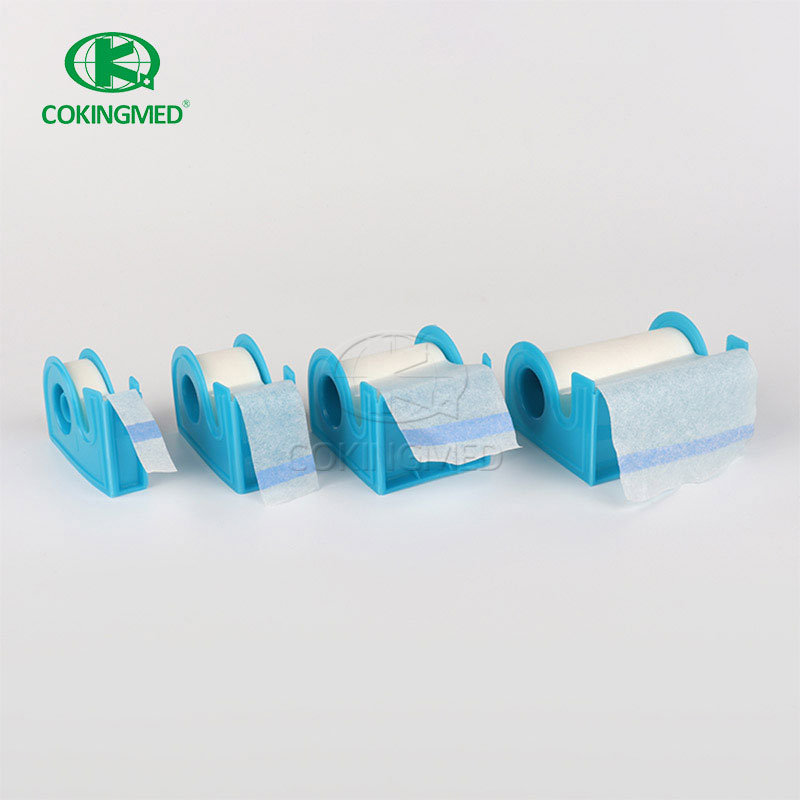
The primary job is to keep dressings in place. But when removed, the tape shouldn’t tear skin or leave sticky residue. That balance – strong hold, gentle release – comes from adhesive chemistry and backing material. Cheap adhesives either fail to stick or rip off the epidermis. Medical‑grade tapes use acrylic or silicone adhesives that provide adequate tack while allowing clean removal. A good surgical tape achieves this balance reliably.
2. Breathability
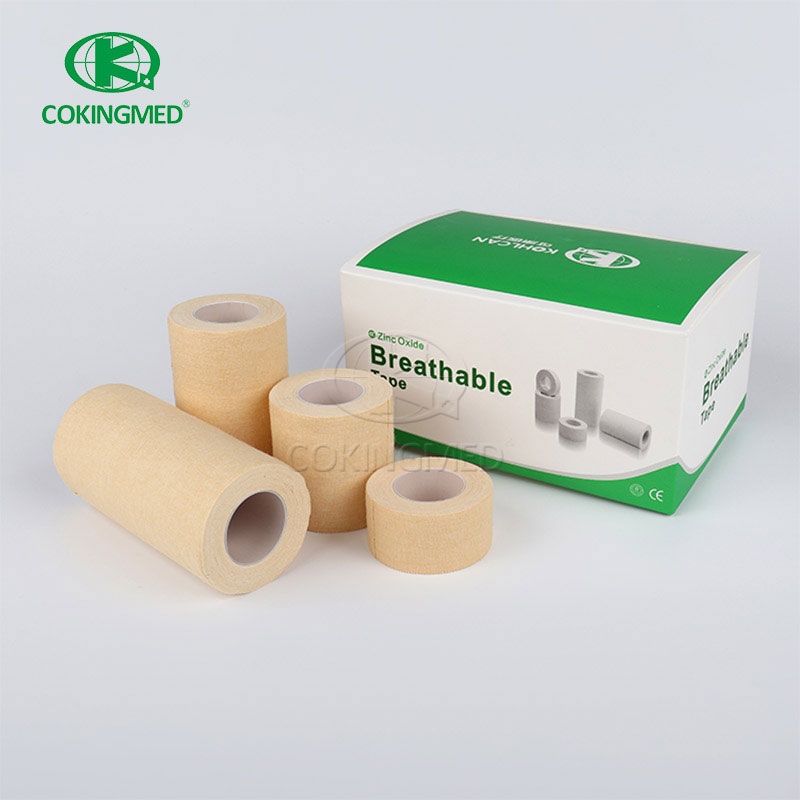
Skin under a non‑porous tape macerates. Moisture builds up, bacteria grow. A good clinical tape allows water vapor and oxygen to pass through while blocking external fluids. Breathable backings – non‑woven fabrics or perforated films – reduce skin breakdown, especially in long‑term applications like securing catheters or post‑surgical dressings.
3. Hypoallergenic properties
Latex allergies and adhesive sensitivities are real. Clinical‑grade tape should be low‑allergen, safe for repeated application, and suitable for fragile or elderly skin. Some patients react to certain acrylics; others are sensitive to natural rubber. A well‑formulated surgical tape minimizes these risks through rigorous material selection and cytotoxicity testing.
4. Stretch and conformability
Wounds aren’t flat. Tape needs to stretch with body movement – elbows, knees, shoulders – without losing adhesion. That requires the right balance of elasticity and tensile strength. Non‑woven tapes offer good conformability; plastic tapes are stiffer. For joints and curved surfaces, a stretchable medical tape is essential to maintain fixation without restricting movement.
Product Spotlight: Non‑woven Adhesive Tape
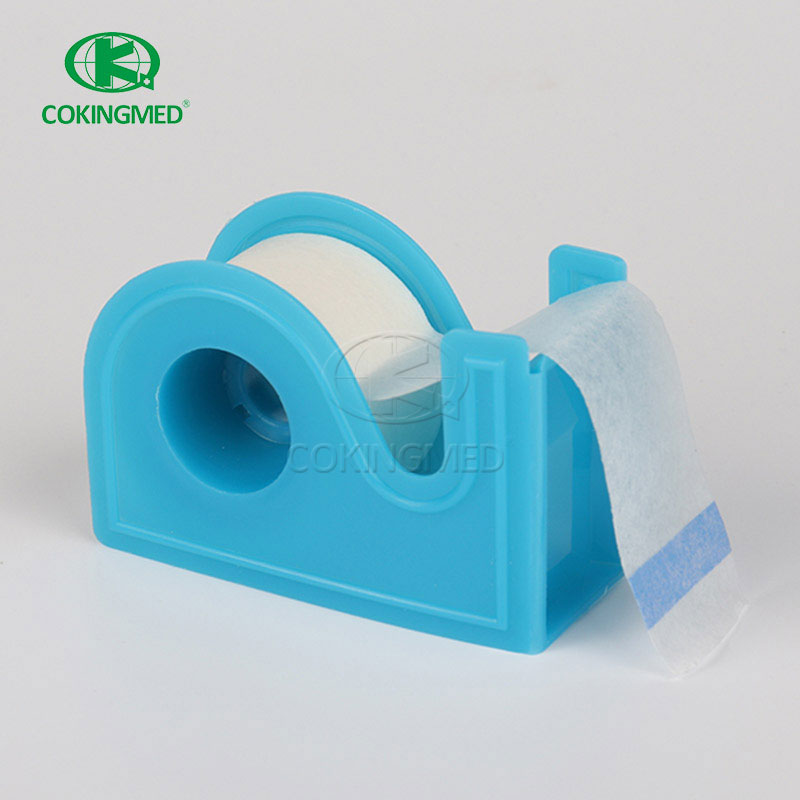
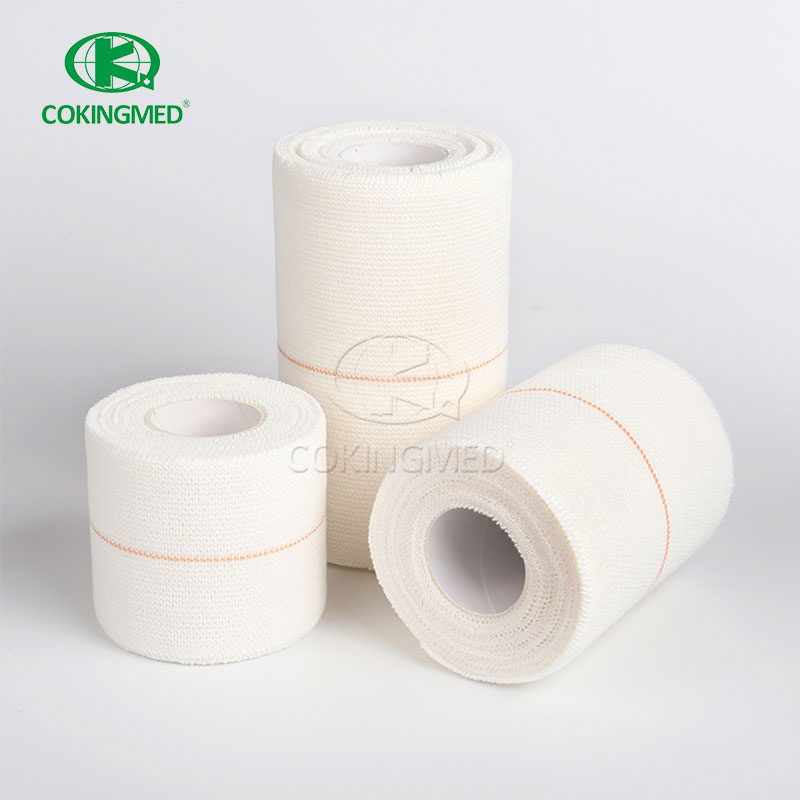
Non‑woven medical tape is made from synthetic fibers bonded together, creating a soft, breathable, and conformable backing. Unlike plastic or paper tapes, non‑woven materials strike an excellent balance between adhesion strength and skin gentleness. They are widely used for securing dressings, catheters, and IV lines. The porous structure allows moisture to escape, reducing maceration. And because the backing tears easily by hand, clinicians can use it without scissors.
Why non‑woven is preferred in many clinical settings
-
Lower skin irritation compared to plastic tapes
-
Better conformability around curves and joints
-
Silent removal – less painful for patients with fragile skin
-
Cost‑effective for high‑volume hospital use
One Manufacturer That Takes These Requirements Seriously
Zhejiang Kekang Medical Technology Co., Ltd. is not a small trading office. They operate from Yueqing Science and Technology Innovation Park, a 60,000‑square‑meter campus on 10 mu of land. The facility includes a digital exhibition hall, expert apartment building, staff dormitory, cafeteria, library, and a basketball court. That’s not just a factory – it’s a complete production ecosystem.
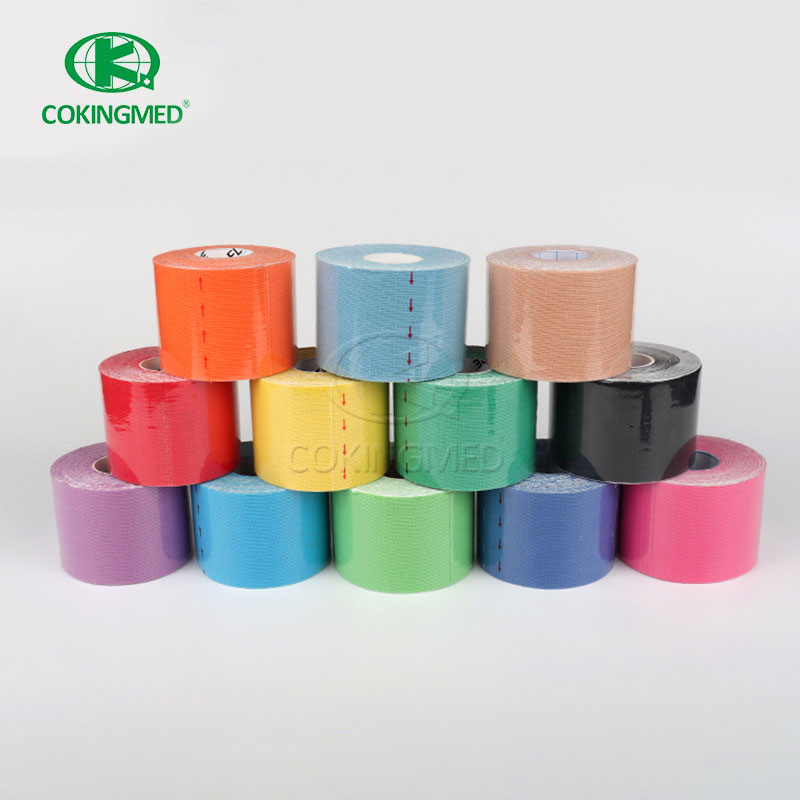
The company integrates production, education, and research. Their team brings more than ten years of hands‑on experience in medical tapes, self‑adhesive bandages, sports tapes, and other adhesive products.
What sets Kekang apart
| Capability | Detail |
|---|---|
| Certification | TUV ISO 13485 (medical device quality management) |
| Production scale | Large‑scale equipment for multiple product series |
| Testing | Specialized in‑house laboratory system |
| OEM service | Full support – from raw material to finished rolls |
| Team | 10+ years of production technical backbone |
| Facility amenities | 60,000 m² with R&D, living, and entertainment areas |
Quality Control – Not Just a Slogan
Kekang states it plainly: Quality is the foundation of enterprise brand building. That translates into action at every production stage.
-
Raw material sourcing – Safe, secure raw materials. Nothing questionable touches the adhesive.
-
In‑process monitoring – Every link in the quality chain is checked. No shortcuts.
-
Finished product testing – Advanced equipment and a dedicated lab verify each batch.
-
Talent training – Employees are trained to maintain consistent habits. Quality becomes culture.
For buyers, this means fewer surprises. No rolls with weak spots. No inconsistent adhesion from batch to batch.
Clinical Applications of Medical Tape
Medical tape is used across many clinical scenarios. Here are the most common:
-
Post‑surgical wound dressing fixation – secure but gentle removal
-
Catheter and tubing securement – breathable to prevent skin maceration
-
IV line anchoring – conformable around tape and tubing
-
Light compression bandaging – stretchable for consistent pressure
Each application demands slightly different adhesive strength and backing material. Kekang offers a range of options to match specific needs.
Beyond the Product – Service and Customization
Honest service is their stated business philosophy. That means:
-
Customer‑first approach – they listen before they quote
-
Fast pre‑sales and after‑sales support – inquiries answered within 24 hours
-
OEM manufacturing – from raw material sourcing to large rolls
-
Semi‑finished rolls for converters who do their own slitting and packaging
They also have expert‑led scientific research. A team with over ten years of experience focuses specifically on medical tapes, self‑adhesive bandages, and sports tapes. If you need a custom adhesive formulation or a unique backing material, they have the lab and the expertise.
Location and Logistics – Practical Advantages
Kekang is located at the southern foot of a national 5A scenic area, east of Yueqing Bay Port. Transportation is convenient:
-
40 minutes from Wenzhou Longwan International Airport
-
10 minutes from Yueqing East Station
That means faster sample delivery, easier factory audits, and simpler logistics for export.
Frequently Asked Questions
Q1: What is the difference between medical tape and regular adhesive tape?
Medical tape is designed for use on human skin. It is breathable, hypoallergenic, and removes with minimal trauma. Regular adhesive tape (e.g., duct tape, masking tape) is not skin‑safe and can cause severe irritation.
Q2: How long can medical tape stay on a patient?
Most medical tapes are designed for up to 72 hours of continuous wear, depending on the site and patient’s skin condition. Some hypoallergenic tapes can be left on longer if the skin remains healthy.
Q3: Can medical tape be used on patients with latex allergies?
Yes, as long as the tape is latex‑free. Kekang’s medical tape is made without natural rubber latex, making it safe for latex‑sensitive patients.
Q4: How should medical tape be stored?
Store in a cool, dry place away from direct sunlight. Ideal temperature range: 15‑25°C. Humidity below 65%. Avoid stacking heavy boxes on tape rolls.
Q5: What is the typical shelf life?
Kekang’s medical tape has a shelf life of 3 years from the date of manufacture when stored properly.
Putting It All Together – A Procurement Checklist
When sourcing medical adhesive products, use this checklist:
-
ISO 13485 certification (medical device standard)
-
In‑house testing lab for adhesion, breathability, and skin irritation
-
Raw material traceability and batch testing
-
Custom formulation and backing options
-
Proven experience (10+ years) with medical tapes
-
Responsive service and sample availability
Kekang offers all of that – plus a 60,000 m² campus, a ten‑year experienced team, and a service philosophy built around customer needs.
Want to Test a Roll on Your Own Terms?
You don’t need to order a full container to evaluate quality. Kekang can send samples of their medical tape, self‑adhesive bandage, or sports tape for you to test – adhesion, breathability, stretch, and skin compatibility.
Ask for their ISO 13485 certificate and a batch test report. See for yourself.