English
 Chinese
 Pусский
 España
 Deutsch
 Français
 Português
Face Mask Skin Irritation Causes and Solutions for Healthcare Workers
You’ve seen the red marks across nurses‘ cheeks after a 12‑hour shift. The raw spots behind their ears. The itchy rashes that make them dread putting on another mask.
This isn’t a minor inconvenience—it’s a workforce health issue that affects retention, sick days, and patient safety. When a healthcare worker’s skin breaks down, they’re more likely to call in sick, more likely to touch their face, and less able to focus on complex tasks.
The good news is that most mask-related skin irritation is preventable. This article breaks down the three main causes—contact irritation from materials, pressure injury from tight straps, and moisture-associated damage—and gives you practical, evidence‑based face mask strategies for your facility.
Whether you‘re an infection control manager, an occupational health nurse, or a procurement specialist, you’ll walk away with immediate actions you can take today and a checklist for buying better masks tomorrow.
Material‑driven contact irritation – what’s touching your skin
Let‘s start with the most immediate cause: what the mask is made of. Most surgical masks and respirators use polypropylene non‑woven fabric. Polypropylene itself is generally inert, but the manufacturing process introduces potential irritants.
Residual catalysts. The polymerization of polypropylene leaves trace amounts of catalysts, usually Ziegler‑Natta or metallocene residues. While suppliers rinse the fabric, residual levels vary. For most people, it’s fine. For sensitive skin, those trace chemicals can trigger contact dermatitis within hours.
Dyes and pigments. Blue, pink, or green masks use fabric dyes. Even “medical grade” dyes can cause reactions in susceptible individuals. The reaction typically appears as a well‑defined red rectangle matching the mask edges, appearing 2‑6 hours after donning.
Formaldehyde and biocides. Some masks are treated with antimicrobial agents to reduce bacterial growth. These agents—quaternary ammonium compounds, triclosan, or formaldehyde‑releasing preservatives—are known contact allergens.
How to identify material‑induced irritation
Ask your staff two questio does the redness exactly mns. First,atch the shape of the mask? Second, does it appear within a few hours of wearing a new mask brand? If yes to both, suspect a material reaction.
Solutions:
-
Switch to no‑dye, no‑biocide masks. Some manufacturers offer white, undyed masks with no chemical treatments. These are the first line for sensitive employees.
-
Use a barrier cream. Apply a thin layer of dimethicone‑ or petrolatum‑based barrier cream to the area before donning the mask. Test on a small patch first—some creams can worsen occlusion.
-
Request ISO 10993 test reports. This international standard for biological evaluation of medical devices includes skin sensitization and irritation testing. Legitimate suppliers will provide these reports on request.
Pressure injuries from straps – where and why they happen
The second major cause is purely mechanical. Elastic straps press against skin. Over time, that pressure exceeds capillary closing pressure, cutting off blood flow to the tissue. The result: ischemia, then ulceration.
Pressure thresholds. Studies show that pressure above 32 mmHg sustained for more than 2 hours is sufficient to cause tissue damage. A standard N95 with tight ear loops can easily exceed 40 mmHg at the contact points.
High‑risk locations. Three sites account for over 80% of mask‑related pressure injuries:
-
Ear folds (posterior auricular area) – where ear loops sit
-
Nasal bridge – where the mask’s metal strip presses
-
Cheekbones (zygomatic arch) – where mask edges dig in
What does a pressure injury look like initially? It starts as a non‑blanching red spot that persists after the mask is removed. If caught early, it resolves in 24‑48 hours. If ignored, it progresses to blistering, then ulceration.
Below is a comparison of common mask designs and their pressure risks:
| Mask Type | Pressure Points | Risk Level | Best For Sensitive Skin? |
|---|---|---|---|
| Ear loop surgical mask | Ear folds, nasal bridge | High (point pressure) | No, unless well‑padded |
| Headband N95 (crown/nape) | Crown of head, upper cheeks | Low (distributed) | Yes |
| Duckbill N95 | Cheeks, nasal bridge | Medium (wide contact) | Yes, if not too tight |
| Cup‑style N95 | Full periphery | Medium‑High (rigid edges) | Not recommended |
| Silicone elastomeric | Whole face seal | Low (even pressure) | Possibly, but heavy/heat‑retentive |
Three immediate fixes for pressure points
You don‘t need new masks to reduce pressure injuries. Start with these low‑cost interventions:
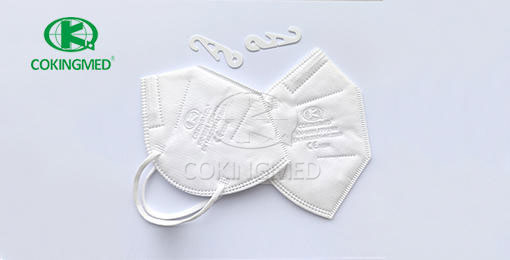
1. Use headband style instead of ear loops. Headband masks (with straps that go around the crown of the head and nape of the neck) distribute pressure over a much larger area. The difference is dramatic: ear loop masks create point pressures; headbands spread the load.
2. Apply hydrocolloid dressings. These adhesive dressings (often sold as “blister plasters” or “duoderm”) are designed to redistribute pressure and protect skin. Cut small squares to place on the nasal bridge, cheekbones, or behind the ears before donning the mask. One study found that prophylactic hydrocolloid dressings reduced pressure injuries from 26% to 4% in a cohort of healthcare workers wearing N95 masks.
3. Adjust fit without over‑tightening. Many workers cinch the mask as tight as possible to get a seal. Show them how to adjust straps just enough for a leak‑free seal—no tighter. A simple check: after adjusting, they should be able to slip one finger under the strap without strain.
Moisture‑associated skin damage – the hidden breakdown
The third cause is less obvious but equally damaging. Every time you exhale, warm, humid air is trapped inside the mask. The skin under the mask becomes supersaturated. This is called moisture‑associated skin damage (MASD).
The mechanism. The stratum corneum (the outermost layer of skin) normally contains about 15‑20% water. Prolonged occlusion under a mask pushes that to 40% or higher. Overhydrated skin cells swell, the intercellular lipid matrix breaks down, and the barrier function collapses. The skin becomes macerated—white, wrinkled, and fragile.
Secondary infections. Once the barrier is compromised, opportunistic organisms flourish. Candida albicans (yeast) causes itchy, red, satellite‑lesion rashes. Bacterial folliculitis looks like acne but is actually infected hair follicles. These secondary infections extend healing time from days to weeks.
How to spot MASD. Look for:
-
White, soggy appearance of skin (macerated)
-
Peeling or sloughing of the top layer
-
Itching that worsens with continued mask use
-
Tiny pustules around hair follicles
Practical moisture control strategies
Change mask at least every 4 hours. This is the single most effective intervention. Fresh mask = lower moisture load. For workers in high‑humidity environments (e.g., COVID wards, surgery), consider a 2‑hour change schedule.
Use absorbent mask liners. Thin, fabric inner liners (cotton or bamboo) wick moisture away from the skin. They must be changed with each mask—reusing a liner defeats the purpose. Some hospitals provide disposable liners as part of PPE kits.
Apply moisture barrier cream before shifts. Zinc oxide or petrolatum‑based creams repel moisture and protect the skin. Unlike simple moisturizers, barrier creams don‘t soften the skin further. Apply sparingly to the entire mask‑covered area before donning.
Schedule “mask breaks.” When clinically feasible, have workers step into a clean area for 15 minutes every 2‑4 hours to remove the mask and let skin dry. This is especially important for those already showing signs of MASD.
Immediate actions when irritation appears
You can’t always prevent irritation, but you can minimize its progression. Train staff on these steps.
Do NOT:
-
Continue wearing the same mask for the full shift.
-
Scratch or rub the area.
-
Apply alcohol or harsh cleansers.
DO:
-
Remove the mask as soon as safe to do so.
-
Gently wash the affected area with lukewarm water and a mild, fragrance‑free cleanser (or saline).
-
Pat dry with a clean cloth—do not rub.
-
Apply a thin layer of zinc oxide ointment (diaper rash cream works well) to soothe and protect.
-
If the irritation is severe (blistering, open sores), refer to occupational health for documentation and possible treatment.
Documentation matters. Have staff record three things every time irritation occurs:
-
Mask brand and model
-
Lot number and expiration date
-
Time from donning to onset of symptoms
This data helps you identify problem products and isolate them to specific batches.
Long‑term prevention strategies for facilities
Individual fixes help, but sustainable prevention requires system‑level changes. Here’s what infection control and procurement can do together.
1. Diversify your mask inventory. No single mask design works for every face. Offer at least three styles:
-
Duckbill N95 (less pressure on the nose)
-
Cup‑shaped N95 (more rigid, but distributes force evenly)
-
Headband surgical mask (for lower‑risk situations)
Rotating between designs changes pressure points and gives skin time to recover.
2. Provide hypoallergenic options for sensitive staff. Keep a small stock of white, undyed masks with ISO 10993‑10 irritation test documentation. Issue them to employees with documented sensitivity.
3. Train on correct donning and doffing. The most common error: pulling straps too tight for a seal. Use a fit‑testing session to teach the “just tight enough” standard. Also show how to adjust the nosepiece without pressing the metal strip directly onto the bridge.
4. Establish a skin injury reporting system. Many nurses just suffer in silence. Create a simple form (paper or digital) where they can report redness, sores, or itching. Track rates by mask brand and shift length. Use the data for quarterly reviews with suppliers.
5. Include skin protection in PPE budgets. Barrier creams, hydrocolloid dressings, and disposable liners are not optional luxuries. Budget them alongside masks themselves. The cost is trivial compared to a single worker’s lost time due to dermatitis.
Questions from infection control managers
Q: Are all “medical masks” suitable for sensitive skin?
A: No. “Medical grade” refers to fluid resistance and filtration efficiency, not skin compatibility. Many medical masks contain dyes, biocides, or residual catalysts that cause reactions. Always request ISO 10993 skin sensitization test reports. If a supplier can’t provide them, assume the mask is not tested for skin safety.
Q: Is there a standard test for mask material skin irritation?
A: Yes. ISO 10993‑10 (Tests for skin sensitization) and ISO 10993‑23 (Tests for irritation) are the relevant standards. These include patch testing on human volunteers or validated animal alternatives. A compliant mask will have a “non‑irritating” or “negligible irritation” classification. Ask for the test report number and date.
Q: Are silicone mask materials better for skin?
A: Silicone is generally hypoallergenic and non‑irritating. Full‑face silicone respirators (like elastomeric half‑masks) create a different contact pattern—larger surface area but lower point pressures. However, silicone masks are heavier and retain more heat. For healthcare workers who tolerate them, they can be an excellent alternative. For others, the weight and warmth cause different problems. There‘s no universal “best”—only best for the individual.
Q: How often should we replace masks for staff with active dermatitis?
A: For a worker with active facial irritation, switch to a different mask design immediately—preferably a headband style from a different manufacturer. If the irritation persists after 48 hours of mask changes, refer to occupational health for evaluation. Some individuals may need a medical accommodation for alternative respirators (e.g., powered air‑purifying respirators).
Procurement checklist for skin‑friendly masks
Before you sign a large‑volume mask contract, run through this checklist. It takes 30 minutes and saves months of skin complaints.
-
Material test reports. Request ISO 10993‑10 (sensitization) and 10993‑23 (irritation) reports. Accept only “non‑irritating” or “negligible” classifications.
-
No added dyes or biocides. Specify white masks with no antimicrobial treatments unless clinically necessary.
-
Headband style availability. At least one product in your contract should be headband‑style, not just ear loops.
-
Sample trial package. Ask for 10‑20 masks of each candidate model. Distribute to a small group of nurses for one week. Collect feedback on comfort, pressure points, and any irritation.
-
Lot traceability. Ensure each box has a clear lot number and expiration date so you can trace problems to specific production runs.
-
Supplier responsiveness. During the trial, purposely report a minor skin issue. How quickly does the supplier respond? Do they offer an alternative product or dismiss the complaint?
The most cost‑effective approach: buy a small test batch, run a two‑week in‑house trial with 5‑10 sensitive staff, then scale up. A bad bulk purchase of 100,000 masks that irritate 10% of your workforce is far more expensive than buying a trial box first.
Looking for low‑irritation masks for your healthcare facility? Contact us for a hypoallergenic mask sample kit. Tell us your typical shift lengths, the percentage of staff reporting skin issues, and your annual mask volume. We’ll help you identify the right products and provide ISO 10993 test documentation before you commit.