English
 Chinese
 Pусский
 España
 Deutsch
 Français
 Português
Surgical Tape Not Sticking to Skin or Equipment
It happens in operating rooms everywhere. You apply a piece of Surgical Tape to secure a dressing or catheter, and within minutes, it's peeling away. The dressing shifts. The tubing comes loose. Patient safety is compromised.
Adhesion failure is frustrating, but it's rarely random. There are four main reasons why surgical tape fails to stick—to skin, to gloves, or to equipment. Each has a specific cause and a specific fix.
This guide covers all four: skin surface issues, storage problems, surface compatibility, and expiration. We'll also look at on-the-spot fixes during a procedure and when to consider switching to a different product. For OR staff and procurement managers, this is practical troubleshooting that addresses a daily frustration.
Skin Surface Not Properly Prepared
Skin prep is the most common adhesion issue—and the easiest to fix.
What Interferes with Adhesion
Blood, iodine, oils, and old adhesive residue all create a barrier between the tape and the skin. The tape's adhesive can't bond properly if there's anything in the way. Even natural skin oils can interfere with adhesion.
The Fix: Clean and Wait
Clean the area thoroughly with an alcohol wipe. Then wait 15 seconds for the skin to dry completely. This step is often skipped in the rush of a procedure, but it makes a significant difference. After cleaning, the skin should feel slightly rough or "squeaky" to the touch—that's the sign that the surface is ready.
What to Avoid
Don't apply tape over areas where lotion or cream has been applied recently. Even if the area looks clean, the residue from moisturizers can interfere with adhesive bonding. If a patient has been using topical products, clean the area extra thoroughly before applying tape.
Tape Stored in High Humidity or Heat
Storage conditions directly affect adhesive performance.
The Chemistry Behind It
Most surgical tapes use acrylic-based adhesives. These adhesives can react with moisture in the air, causing the adhesive to cure prematurely or lose its tackiness. The visible signs are a whitish appearance on the adhesive surface or a noticeable loss of stickiness.
Storage Standards
The recommended storage conditions for zinc oxide adhesive tape are: relative humidity no more than 80%, temperature between -5°C and 40°C, in a well-ventilated, clean room with no corrosive gases. For most tapes, ideal conditions are 15-25°C and 40-60% humidity. This keeps the adhesive chemistry stable.
What to Do with Compromised Stock
If you've had a storage issue, discard any rolls that show visible signs of degradation—whitened adhesive, stiff backing, or difficulty unrolling. Check other rolls from the same batch. If multiple rolls are affected, the storage environment needs to be addressed, and the entire batch may need to be replaced.
| Storage Factor | Recommended Condition | Problem If Exceeded |
|---|---|---|
| Temperature | -5°C to 40°C | Adhesive degradation |
| Humidity | ≤80% | Premature curing, whitening |
| Air Quality | No corrosive gases | Adhesive breakdown |
| Ventilation | Well-ventilated | Moisture buildup |
Trying to Stick to Gloves or Wet Tubing
Some surfaces just aren't tape-friendly. Latex gloves and wet PVC tubing are two common culprits.
Why the Tape Won't Stick
Gloves have a low surface energy—the tape's adhesive can't form a strong bond. Wet tubing has a liquid film that prevents the adhesive from making contact with the surface. In both cases, the tape simply can't form the bond it needs.
The Fix: Activate the Tape First
One effective technique is to first stick a short piece of tape to a clean, dry area of skin. This removes any surface contamination from the tape itself. Then apply that same piece to the device. Some OR staff find this helps "activate" the adhesive and improves bonding to challenging surfaces.
When to Use a Different Product
For applications that involve securing tubes or devices to equipment, consider using device-specific fixation tapes. These are formulated to bond to low-surface-energy materials like PVC and silicone. Using the right product for the surface prevents adhesion failures and the frustration that comes with them.
Tape Expired or Beyond Shelf Life
Surgical tape has a finite shelf life, and it's not just a suggestion.
Check the Expiration Date
Every package of surgical tape should have an expiration date. The adhesive chemistry degrades over time, even under ideal storage conditions. Zinc oxide adhesive tape has a shelf life of 3 years under proper storage. After that, the adhesive may become stiff, the backing may become brittle, and the tape may lose its tack.
Aging Signs to Look For
An aging tape often shows visible signs: the tape feels harder or stiffer than a new roll; the edges curl; the tape doesn't unroll smoothly; the adhesive seems less aggressive. If you notice any of these signs, the tape is likely past its prime.
Procurement Best Practices
For medical supply buyers, follow FIFO (first-in, first-out) inventory management. Order no more than a 6-month supply at a time to reduce the risk of stock aging on the shelf. This is particularly important for facilities that don't go through high volumes of tape, where rolls may sit in storage for long periods.
On-the-Spot Fixes During a Procedure
Sometimes you need a solution right now—not a long-term fix.
Cross-Fix Technique
One reliable method is to use two pieces of tape in a cross pattern. Apply one piece, then place the second piece perpendicular to the first. This creates mechanical stability that can compensate for adhesion that isn't as strong as you'd like. It's a practical workaround that many OR teams rely on.
Base Layer Technique
Another approach is to first apply a small piece of medical dressing or a patch of the same tape to the skin, then tape over it. This gives the tape a surface it can bond to—a "base layer" that acts as an anchor. The dressing or tape base provides a more consistent surface than skin, especially if skin prep was hurried.
What Not to Do
Don't heat the tape. Some staff think warming the tape will improve adhesion. It won't. Heat actually breaks down the adhesive layer, making the tape less effective. Room-temperature tape is fine, but applying heat is counterproductive.
When to Switch to a Different Surgical Tape Product
If you've addressed storage, skin prep, and surface issues and you're still having problems, the tape itself may not be the right fit for your application.
Consider the Backing Material
Surgical tapes come in different backing materials: cloth, film, and silk each have different adhesive characteristics. Cloth tapes (like zinc oxide adhesive tape) offer strong adhesion and conformability. Film tapes provide a low-profile, transparent option. Silk tapes offer a balance of adhesion and comfort. If one isn't working, another might.
Try a Small Trial Order
Before making a major switch, request a small trial order from your supplier. Test the product under actual OR conditions to verify adhesion performance. COKING Medical offers a range of surgical tapes with different backing and adhesive formulations, and can provide samples for evaluation.
Check the Sterilization Compatibility
For OR applications, consider whether the tape needs to maintain adhesion after ethylene oxide (EtO) sterilization. Some tapes lose adhesion during sterilization; others are formulated to maintain it. This is a crucial consideration that OR buyers should discuss with their suppliers.
Questions OR Buyers Ask Most
Can surgical tape be pre-cut and left ready for use?
It's not recommended. Pre-cutting tape and leaving it exposed can allow dust and moisture to affect the adhesive. The tape's adhesive is protected by the backing until it's peeled. Pre-cutting also increases the risk of contamination. It's better to cut tape as needed during the procedure.
Why do some rolls in the same box stick well while others don't?
This is usually a storage or batch issue. If the box was stored improperly at some point, rolls on the outside of the box may have been exposed to more heat or humidity than rolls in the center. If the problem is consistent across multiple rolls, it may be a manufacturing issue with that batch.
Is there a surgical tape that maintains adhesion after EtO sterilization?
Yes, some tape products are formulated specifically for EtO-sterilized applications. The adhesive chemistry is designed to withstand the sterilization process without losing tack. When buying tape for OR use, ask your supplier whether the product has been tested for EtO compatibility. This is a key consideration for facilities that sterilize equipment and supplies in-house.
Choosing the Right Tape for Your OR
Adhesion problems are often preventable with the right attention to prep, storage, and product selection.
Zinc Oxide Adhesive Tape – A Reliable Option
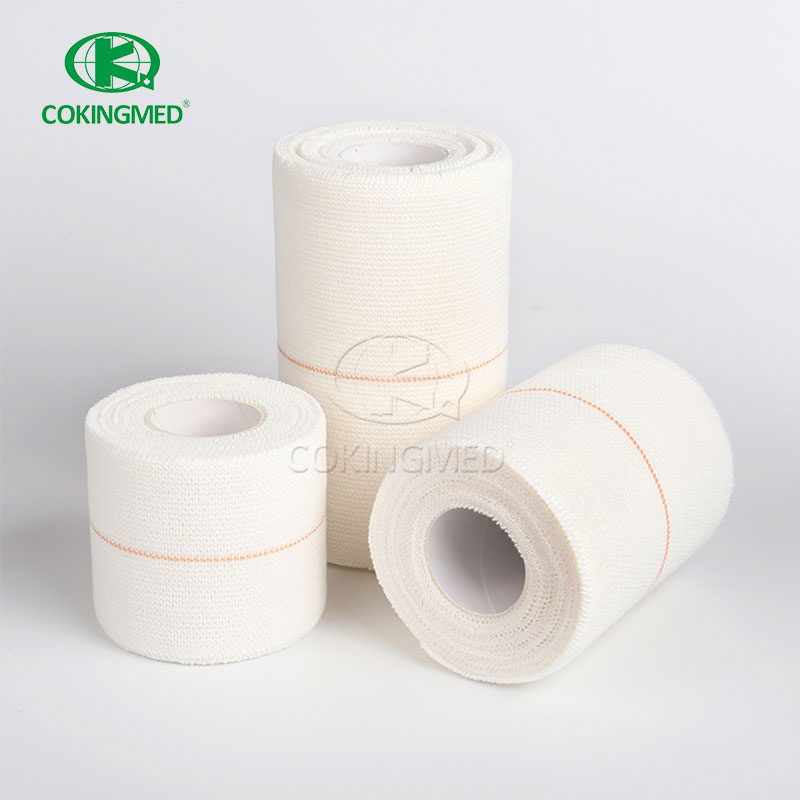
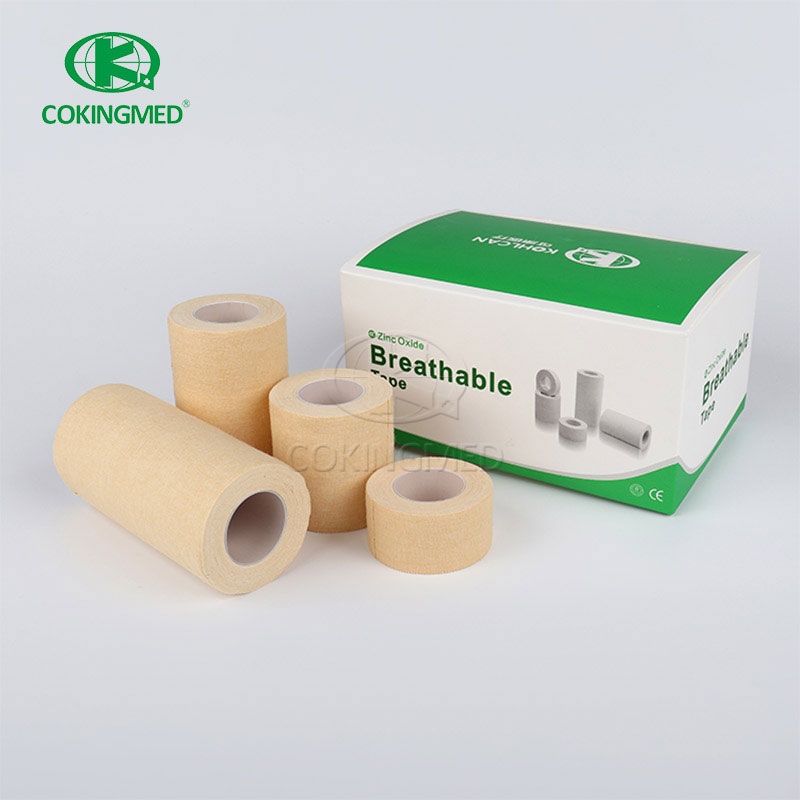
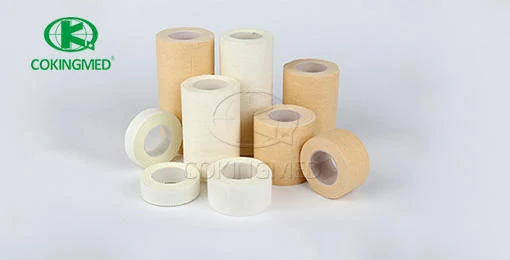
COKING Medical manufactures zinc oxide adhesive tape, which is composed of cotton fabric coated with medical pressure-sensitive adhesive. It's designed for good adhesion across different skin types, races, and weather conditions. The tape features a zigzag edge that's easy to tear by hand, making it convenient for OR use.
The product is intended for surgical operations to fix dressings or catheters, and can also be used for sports protection, labor protection, and industrial packaging. It provides firm fixation, strong applicability, and long standby time. The tape has a 3-year shelf life when stored at relative humidity no more than 80% and temperature between -5°C and 40°C.
For facilities that use zinc oxide tape, the key to avoiding adhesion failures is simple: store it correctly, prep skin properly, check expiration dates, and don't expect it to stick to gloves. Follow those guidelines, and the tape will perform as designed.
When adhesion problems persist, look at the whole picture—prep, storage, and product selection. The right tape, properly used, should stay where you put it. If it doesn't, work through the troubleshooting steps above. In most cases, the fix is straightforward and doesn't require a product change. When it does, a trial order from a trusted supplier is the best way to confirm a new product's performance.
Ready to evaluate surgical tape options for your facility? Reach out to COKING Medical's team—they can provide product samples, storage guidance, and technical support to help you select the right tape for your OR applications.