English
 Chinese
 Pусский
 España
 Deutsch
 Français
 Português
Parameters for Selecting Sports Tape for High-Humidity Environments
You’re equipping a swim team in Southeast Asia, stocking a sports clinic in a tropical climate, or managing medical support for an outdoor tournament where rain is always a possibility. The challenge is consistent: standard sports tape that works perfectly in dry conditions peels off within minutes when athletes sweat or when humidity saturates the air. The adhesive softens, the edges curl, and the tape loses its hold—sometimes before the athlete even reaches the field. This guide provides four critical parameters for evaluating sports tape for high-humidity environments. Use these criteria to select tape that stays on when it matters most.
Adhesive Type – Synthetic Acrylic vs. Natural Rubber
The adhesive is the first line of defense against humidity. Natural rubber adhesives offer high initial tack—they stick aggressively right out of the package. But in the presence of moisture, natural rubber emulsifies. Water and sweat break down the adhesive layer, causing the tape to lift and fall off. Synthetic acrylic adhesives, by contrast, have slightly lower initial tack but maintain their bond in wet conditions. Acrylic adhesives resist water absorption and retain their cohesive strength even when exposed to sweat, rain, or high ambient humidity.
The Case for Acrylic in Humid Conditions
For high-humidity environments—indoor training facilities, outdoor tournaments in tropical climates, or any setting where athletes sweat heavily—choose tapes with synthetic acrylic adhesive systems. The trade-off in initial tack is more than offset by the longevity of the bond under moisture stress.
How to Identify the Right Adhesive
Check the product specification or ask the supplier directly. If the tape uses natural rubber, it’s suitable for dry, indoor applications. If it uses acrylic, it’s a better candidate for humid or wet conditions. Some manufacturers offer hybrid formulations—these can work in moderate humidity but are rarely as reliable as full acrylic systems in extreme conditions.
Backing Material Porosity
Moisture doesn’t only come from outside—sweat generates from underneath the tape. If the backing material is non-porous, like a PE film, sweat gets trapped against the skin. The moisture sits directly on the adhesive layer, gradually breaking down the bond from the inside. The result: the tape lifts from the edges, even if the adhesive itself is water-resistant.
Breathability That Matters
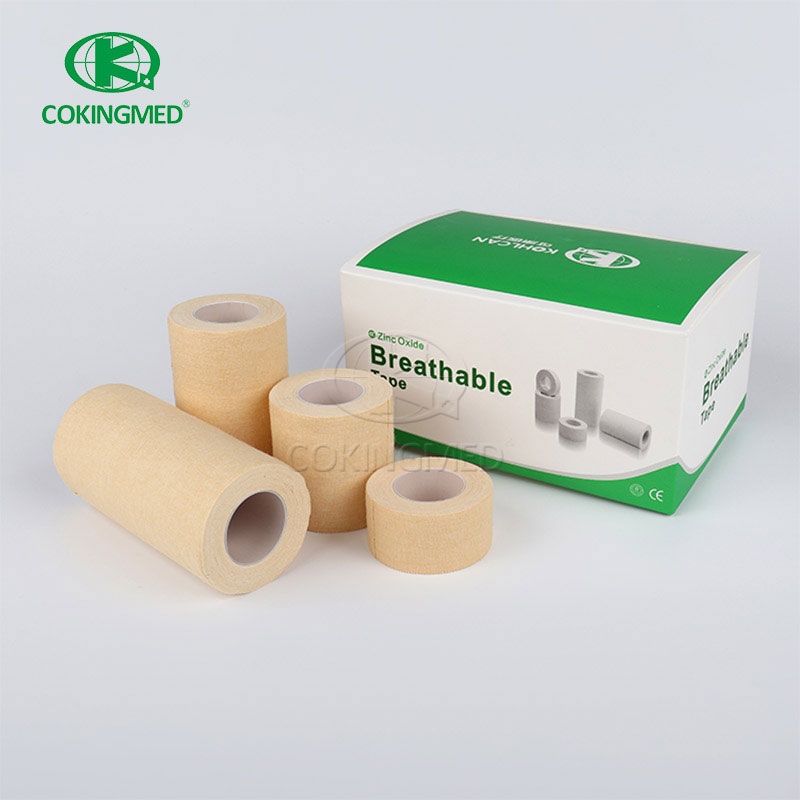
Look for backing materials with high moisture vapor transmission rates—greater than 500 g/m²/24h allows sweat vapor to escape. Porous non-woven fabrics or cotton with micro-perforations are ideal. These materials let the skin breathe and carry moisture away from the adhesive interface. Cotton and synthetic fiber blends offer both breathability and durability, allowing air to circulate and reducing moisture buildup.
What to Avoid
Non-porous backings like solid PE films trap moisture and accelerate adhesive failure. If the tape feels like plastic and doesn’t breathe, it won’t perform well in high-humidity environments—regardless of the adhesive quality.
Edge Sealing or Coating
A high-quality adhesive and breathable backing can still fail if moisture creeps in from the edges. Edge sealing—a thin waterproof coating applied to the cut edges of the tape—prevents moisture from wicking into the adhesive layer from the sides. This is a premium feature, but it’s essential for applications where the tape is exposed to rain or submersion.
How to Identify Edge-Sealed Tape
Run your finger along the cut edge of the tape. Edge-sealed tape has a slightly waxy or smooth feel—the coating is barely perceptible but effective. Without edge sealing, moisture wicks into the adhesive from the sides, and the tape begins to curl and peel within minutes of exposure to water.
When Edge Sealing Is Non-Negotiable
For outdoor rain games, water sports, or any application where the tape is directly exposed to liquid water, edge sealing is non-negotiable. For high-sweat indoor training, it’s still recommended but may be less critical if the backing is highly breathable.
Tensile Strength After Wet Conditioning
The ultimate test is performance under real-world conditions. Request wet tensile strength data from your supplier. The test method is straightforward: soak the tape in water for 30 minutes, then measure its tensile strength. The retention rate should be greater than 80% —the tape should retain at least 80% of its dry strength after 30 minutes of water exposure.
Why This Test Matters
Tensile strength after wet conditioning tells you how the tape’s structural integrity holds up when it matters most. A tape that loses half its strength when wet won’t provide the support athletes need—it will stretch, tear, or fail under load.
Red Flags
Suppliers who cannot or will not provide wet tensile strength data should be approached with caution for water-sport or high-humidity applications. If they haven’t tested it, they don’t know how it performs—and neither do you.
Selecting Tape for Different High-Humidity Scenarios
Not all humid environments are the same. Match the tape to the specific conditions your athletes will face.
Scenario A: Indoor training (high sweat) – Moderate humidity resistance is sufficient. Choose acrylic adhesive with breathable cotton backing. Edge sealing is helpful but not critical. Sweat evaporates quickly in indoor environments, reducing the moisture load on the adhesive.
Scenario B: Outdoor rain games – Edge sealing becomes critical. The tape must resist both sweat from inside and rain from outside. Acrylic adhesive + breathable backing + edge sealing is the minimum specification.
Scenario C: Swimming / underwater – Only specialized waterproof tapes will work. Most standard tapes, even those with acrylic adhesives, will eventually release underwater. For swimming applications, look for tapes specifically designed for water sports—some use waterproof adhesives and backing materials that are fundamentally different from standard athletic tapes.
Pre-Application Skin Prep for Humid Conditions
Even the best tape will fail if applied to unprepared skin. Humidity means sweat, and sweat means moisture on the skin surface. The tape’s adhesive can only bond to what it touches—if it touches sweat, it bonds to sweat, not skin.
The Three-Step Prep Routine
Clean – Use a non-oily cleanser to remove sweat, oils, and residues. Alcohol wipes are effective and widely available.
Prime – Apply a tincture of benzoin or a similar adhesive promoter. This creates a tacky base layer that improves tape adhesion.
Wait – Allow the primer to become fully tacky before applying the tape. Rushing this step reduces the primer’s effectiveness.
What Not to Do
Never use creams, lotions, or oil-based products before taping. These products create a barrier between the adhesive and the skin—the tape will stick to the cream, not the skin, and will fail under the first sign of sweat.
What Sports Teams Ask About High-Humidity Tape
How much longer does a high-humidity tape last compared to standard tape?
In dry conditions, the difference may be minimal. In high-humidity conditions, a quality acrylic tape with edge sealing can last 3 to 5 times longer than a standard natural rubber tape before edge curling or adhesive failure occurs.
Is there a tape designed specifically for swimmers?
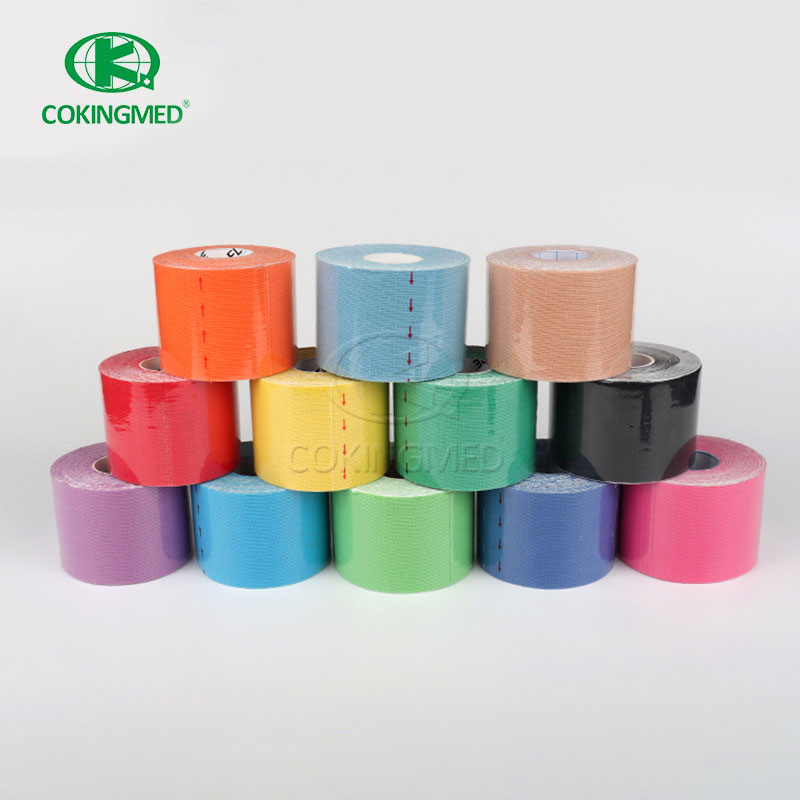
Yes—some manufacturers produce tapes with waterproof adhesives and non-porous backings specifically for underwater use. However, these are specialty products and typically cost more than standard athletic tapes. For most swim applications, kinesiology tape with acrylic adhesive provides a good balance of performance and cost.
How much more does high-humidity tape cost?
Expect to pay 20-40% more for tapes with acrylic adhesives and edge sealing compared to standard natural rubber tapes. The higher cost is offset by reduced waste—fewer tape failures mean less tape used per athlete per session.
How to Test Samples Before Bulk Order
Before committing to a large order, test samples under real conditions. Here’s a simple protocol:
Step 1 – Have an athlete apply the tape using proper skin prep and application technique.
Step 2 – The athlete performs 30 minutes of high-intensity training in the target environment (outdoor, indoor, or simulated humidity).
Step 3 – Immediately after training, check the tape for edge curling, lifting, or loss of adhesion.
Step 4 – Repeat the test with at least three different suppliers. Compare performance side by side.
What to Look For
After 30 minutes of intense exercise, the tape should show no edge curling, no lifting, and no loss of support. If the tape is already curling at the edges, it will fail completely within the next 30 minutes. If it’s still fully adhered, it passes the test.
Document the Results
Take photos of each tape sample before and after the test. Note the conditions (temperature, humidity, activity type). This documentation helps you make an informed decision and provides evidence if you need to push back on a supplier’s claims.
Get the Right Sports Tape for Your Humid Environment
Selecting sports tape for high-humidity environments comes down to four parameters: adhesive type (acrylic over natural rubber), backing porosity (breathable over non-porous), edge sealing (present over absent), and wet tensile strength (greater than 80% retention). Request a sample pack for high-humidity testing → —Cokingmed‘s team can provide samples for your own testing protocol.
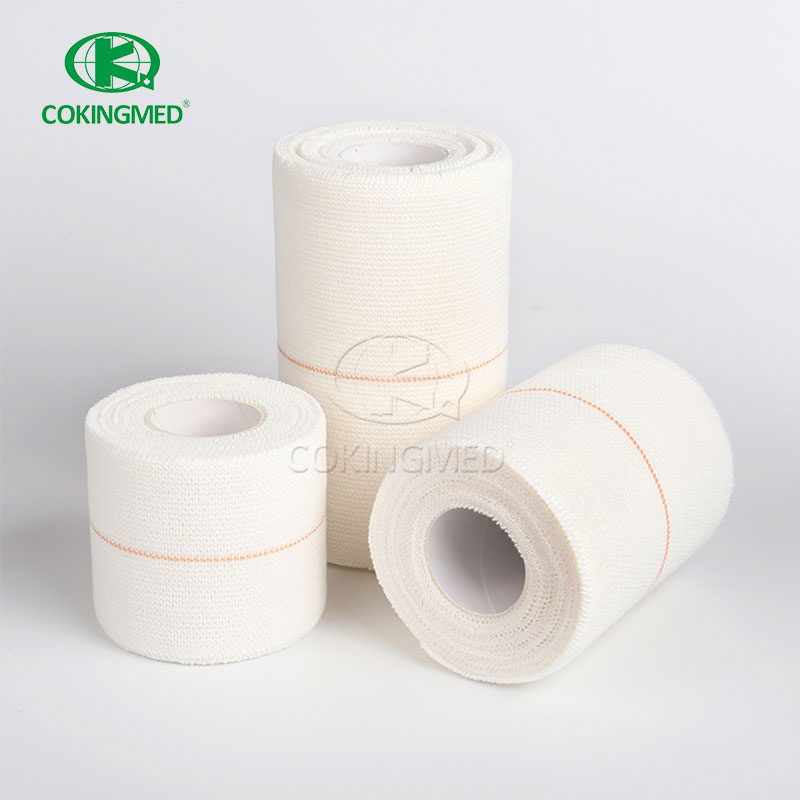
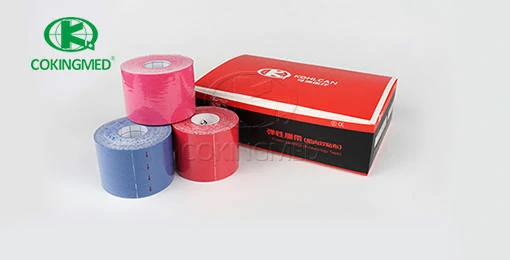
Cokingmed is a manufacturer of sports medicine and rehabilitation products, including rigid cotton sports tape, kinesiology tape, and PU foam tape. The Kinesiology Tape is suitable for football, basketball, volleyball, badminton, and fitness activities. Cokingmed’s sports tape products feature strong adhesion for firm fixation, water sensitivity allowing use in water without affecting adhesion, sweat-resistant properties that retain adhesion during high-intensity exercise, and breathability that allows skin to breathe and reduces moisture buildup. The tape is made from cotton and synthetic fibers such as nylon or polyester, offering a balance of comfort, breathability, and durability. Applications include sports protection, rehabilitation therapy, and daily use. Connect with Cokingmed to discuss your tape type, adhesive requirements, and environmental conditions.