English
 Chinese
 Pусский
 España
 Deutsch
 Français
 Português
Is Kinesiology Tape the Same as Sports Tape?
You're stocking supplies for a physical therapy clinic or a sports team. Two types of tape sit side by side in the catalog — kinesiology tape and sports tape. They look similar. They both get called "athletic tape." But they are not interchangeable.
The confusion is common, and it's costly. Ordering the wrong type for your clinical needs means ineffective treatment, wasted supplies, and frustrated patients. This guide clarifies the differences — in material, mechanism, application timing, wear duration, and training requirements — so you can stock the right tape for the right purpose.
Material and stretch — one stretches, one doesn't
The fundamental difference between the two tapes is in the material and how far they stretch.
Sports tape — rigid and inelastic
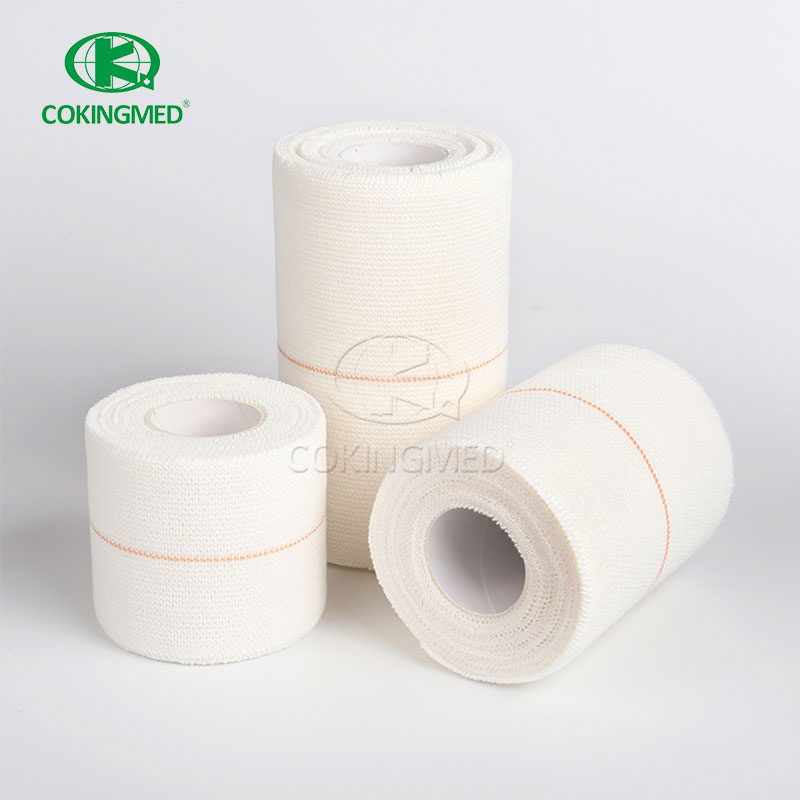
Traditional sports tape is made from cotton with an acrylic adhesive. It has virtually no longitudinal stretch — typically less than 10%. Think of it like canvas: firm, unyielding, and designed to hold a joint in place. It's used to restrict movement and provide firm mechanical support.
Kinesiology tape — elastic and skin-like
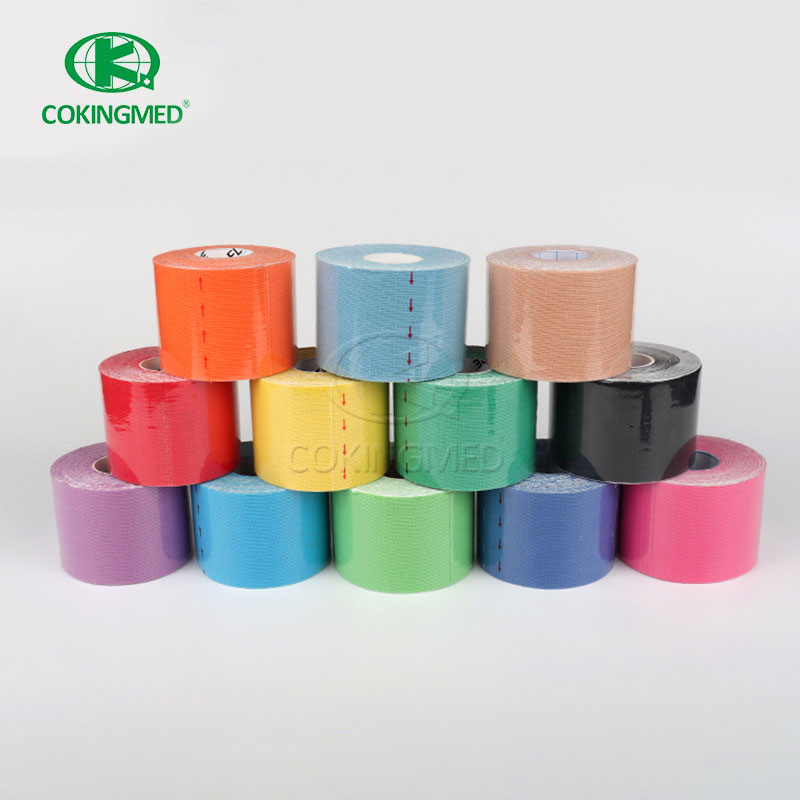
Kinesiology tape is made from cotton blended with spandex or nylon, allowing it to stretch longitudinally to 140–160% of its original length. It feels like elastic fabric — it moves with the body, not against it. It's designed to provide support without restricting range of motion.
A simple comparison
-
Sports tape: feels like canvas — stiff, no give, holds tight.
-
Kinesiology tape: feels like elastic fabric — stretches, recoils, moves with you.
Mechanism of action — how each tape works
The two tapes achieve completely different clinical outcomes.
Sports tape — limits motion to prevent injury
Sports tape works by physically restricting joint movement. It acts as a mechanical block — stopping a joint from moving beyond a safe range. It's used to prevent injuries in healthy athletes, providing firm support to ligaments and tendons during high-risk activities.
Kinesiology tape — lifts skin to promote healing
Kinesiology tape works through the skin. Its elastic stretch creates a lifting effect on the skin, which is theorized to decompress underlying tissues, improve lymphatic drainage, and reduce swelling. It also stimulates mechanoreceptors in the skin, which can modulate pain signals to the brain. It's used during rehabilitation, not prevention.
One sentence summary
-
Sports tape: locks the joint — it restricts movement.
-
Kinesiology tape: lifts the skin — it facilitates healing and movement.
Application timing — before injury vs. after injury
The timing of application is a critical difference.
Sports tape — preventive, used on healthy tissue
Sports tape is applied to healthy joints and muscles before activity. It's a preventive measure — you tape an ankle that's not injured to stop it from rolling. It's removed immediately after the activity. The goal is to prevent injury, not to treat it.
Kinesiology tape — therapeutic, used during recovery
Kinesiology tape is applied after an injury has occurred. It's part of the rehabilitation process — it supports healing tissue, reduces pain, and promotes recovery. It can be worn for 3–5 days continuously, even through showering.
When one can't replace the other
A sports medicine clinic needs both tapes because they serve different phases of patient care. Using sports tape on a healing ligament restricts the blood flow and movement that recovery requires. Using kinesiology tape on a healthy joint before a game doesn't provide the mechanical stability needed to prevent injury.
Wear duration and removal
How long each tape stays on is a practical difference that affects patient compliance and supply usage.
Sports tape — short-term, removed immediately
Sports tape is removed as soon as the activity ends. It's not designed for extended wear — the adhesive is strong but not breathable, and leaving it on for more than 8 hours can cause skin irritation. Patients should remove it immediately after practice or competition.
Kinesiology tape — long-term, worn for days
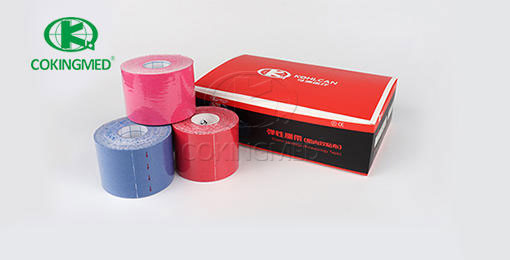
Kinesiology tape is designed for extended wear — typically 3 to 5 days. The adhesive is breathable and water-resistant, and the cotton-spandex fabric allows the skin to breathe and move. Patients can shower with it on, and the tape dries quickly. The waved adhesive pattern, which distinguishes kinesiology tape from other tapes, allows for moisture evaporation and reduces skin irritation. This long wear time makes kinesiology tape more economical per day of use than sports tape, despite the higher upfront cost.
Training and application technique
Each tape requires different application skills, which affects staff training and clinical outcomes.
Sports tape — basic technique, short learning curve
Applying sports tape requires basic knowledge of joint anatomy and taping techniques — figure-eight ankle wraps, thumb spica, knee support. The learning curve is short, and most athletic trainers can master the common techniques within a few training sessions.
Kinesiology tape — requires anatomical knowledge
Kinesiology tape application requires understanding of muscle origins and insertions, fascia lines, and lymphatic pathways. The tape must be applied with specific amounts of stretch (0%, 25%, 50%, or 100%) depending on the clinical goal. Incorrect tension can negate the therapeutic effect or cause skin irritation. Many practitioners complete certification courses to master kinesiology taping.
Implications for your facility
If you're sourcing for a clinic or sports facility, factor in training costs and time. Sports tape can be used immediately by any athletic trainer. Kinesiology tape may require staff training — or you may need to hire practitioners who are already certified.
How to stock both for a sports medicine facility
Most clinics and sports teams need both types of tape. The right mix depends on your patient population and the services you provide.
Recommended initial ratio: For a general sports medicine clinic, a starting ratio of 70% sports tape to 30% kinesiology tape covers most needs. Adjust based on your patient mix — more rehabilitation patients increases the kinesiology tape proportion; more healthy athletes increases the sports tape proportion.
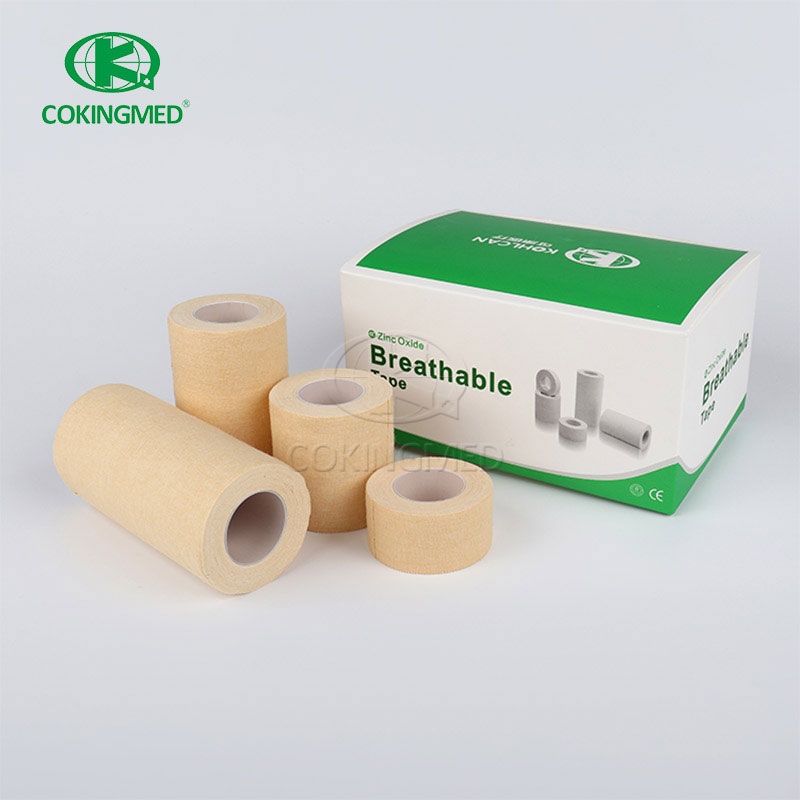
Key widths to stock: Sports tape is most commonly used in 1.5-inch (3.8cm) and 2-inch (5cm) widths for most joints. Kinesiology tape is typically available in 2-inch (5cm) and 3-inch (7.5cm) widths. Stock both sizes for versatility. For sports tape, also consider the zinc oxide version for patients with sensitive skin or for extended wear applications.
Training and supplies: Ensure you have appropriate pre-wrap (for sports tape) and skin preparation supplies (for both). For kinesiology tape, have a tape-cutting guide or pre-cut strips available to speed up application.
Before you commit to a large order, consider your patient population. If you treat athletes recovering from injuries, kinesiology tape is essential. If you primarily tape healthy athletes before games, sports tape is your workhorse. Many facilities stock both and use them as the clinical situation demands.
Ready to stock both kinesiology tape and sports tape for your clinic or sports facility? Contact a supplier for a mixed-quote sample pack. Share your patient population mix, key application areas, and quantity requirements — their team can recommend the right types and sizes for your specific needs.