English
 Chinese
 Pусский
 España
 Deutsch
 Français
 Português
Why Zinc Oxide Still Has a Place on the Wound Care Shelf
You have seen it in every hospital supply closet for years. A roll of off‑white cloth tape, slightly stiff, with a distinctive smell. Zinc oxide adhesive tape looks old‑fashioned compared to modern clear plastic rolls. Yet nurses still reach for it when they need a dressing that will not move, a catheter that must stay put, or a tube that cannot be dislodged.
The reason is simple. The cotton cloth backing breathes. The zinc oxide adhesive holds even on damp skin. And when it is time to remove it, the tape comes off without stripping the epidermis. A surgical tape made with zinc oxide adhesive is not a relic. It is a reliable tool that synthetic alternatives often fail to replace. This guide explains what this tape is, where it works best, and how to choose the right specification for your facility.
Understanding Zinc Oxide Adhesive Tape
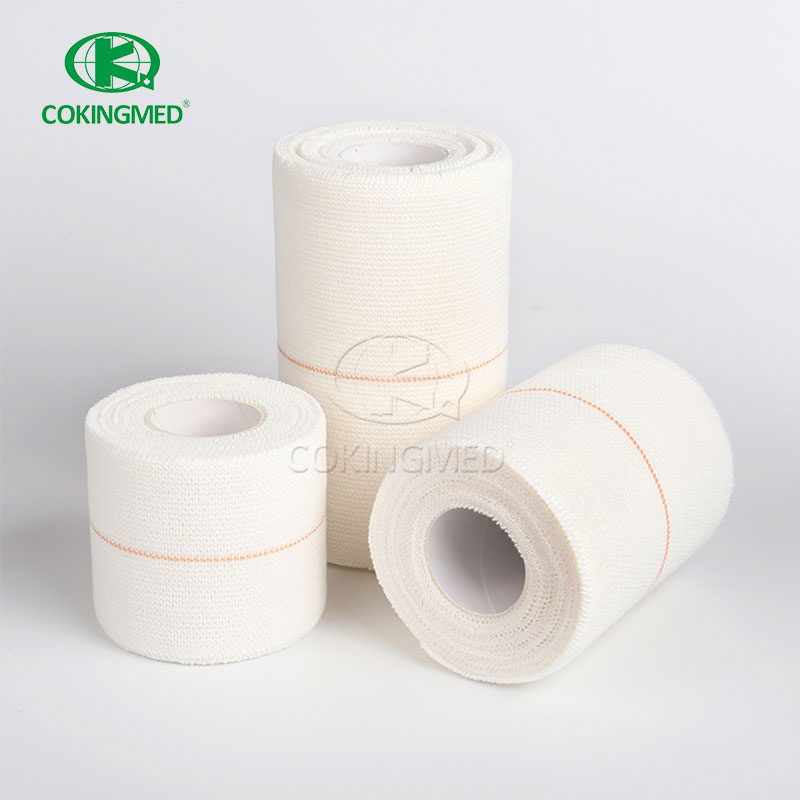
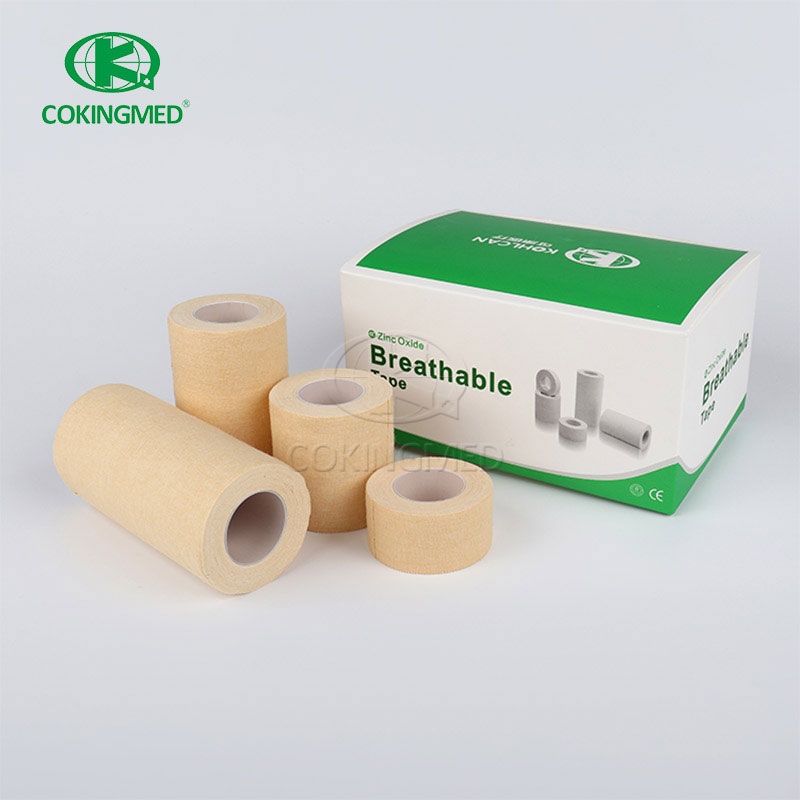
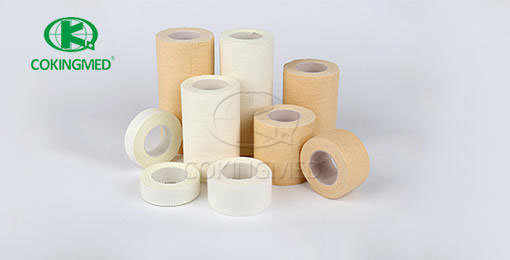
Zinc oxide adhesive tape consists of a woven cotton cloth backing coated with a medical‑grade adhesive that contains zinc oxide. The zinc oxide serves multiple purposes: it provides strong initial tack, maintains adhesion even in humid conditions, reduces the risk of allergic reactions compared to some synthetic adhesives, and offers mild antibacterial properties.
The cloth backing is breathable. Unlike plastic tapes that trap moisture, zinc oxide tape allows water vapor and oxygen to pass through. Skin underneath stays drier, reducing the risk of maceration and blister formation. This combination of breathability and secure adhesion makes it a preferred choice for prolonged dressing fixation.
A surgical tape with these properties is not a general‑purpose tape. It is a specialized tool for applications where skin health and reliable hold are equally important.
Common Clinical Uses for Zinc Oxide Tape
Nurses and doctors choose zinc oxide adhesive tape for specific clinical situations where other tapes have failed.
| Clinical application | Why zinc oxide tape is selected |
|---|---|
| Central line and catheter securement | Breathable cloth allows skin to breathe during days of wear |
| Post‑operative wound dressings | Strong hold with gentle removal, reduces trauma on fragile incisions |
| Tube fixation (NG, chest drains) | Adhesive stays on damp or oily skin |
| Securing IV lines and cannulas | Tears easily by hand, no scissors needed at bedside |
| Light compression bandages | Cloth backing conforms to body contours |
For each of these uses, a surgical tape that fails can lead to dressing displacement, infection risk, and additional nursing time. The reliability of zinc oxide tape reduces these risks.
Packaging and Size Options for Procurement
From manufacturer data, zinc oxide adhesive surgical tape is available in a range of widths and two standard lengths. The table below summarizes the packaging options.
| Width | Length | Rolls per box | Carton quantity |
|---|---|---|---|
| 1.25cm | 5m | 24 | 30 boxes |
| 2.5cm | 5m | 12 | 30 boxes |
| 5.0cm | 5m | 6 | 30 boxes |
| 7.5cm | 5m | 6 | 24 boxes |
| 10.0cm | 5m | 6 | 18 boxes |
| 1.25cm | 10m | 24 | 30 boxes |
| 2.5cm | 10m | 12 | 30 boxes |
| 5.0cm | 10m | 6 | 30 boxes |
| 7.5cm | 10m | 6 | 18 boxes |
| 10.0cm | 10m | 6 | 12 boxes |
The tape has a shelf life of three years when stored properly. Storage conditions: relative humidity ≤80%, temperature between -5°C and 40°C, in a clean, well‑ventilated room free from corrosive gases. The tape is supplied sterile for single use.
What Cotton Cloth Does That Plastic Cannot
Plastic tapes have become common because they are inexpensive and transparent, allowing observation of the underlying site. But they have a significant drawback: they are occlusive. A study comparing perforated cloth tape with non‑stretchable silk tape after hip surgery found that the prevalence of tape blisters was significantly lower when perforated cloth tape was used. The breathability of cloth allows moisture to escape, preventing skin maceration.
Cotton cloth also conforms to body contours better than plastic. It stretches slightly, moves with the patient, and does not pull the skin with every motion. For patients with fragile skin, such as the elderly or those on corticosteroids, this gentle conformability reduces the risk of skin tears.
A surgical tape with cotton cloth backing is not a compromise. It is a deliberate choice for patient comfort and skin safety.
Zinc Oxide vs. Synthetic Adhesives – A Quick Comparison
| Feature | Zinc oxide adhesive | Synthetic (acrylic) adhesive |
|---|---|---|
| Allergenicity | Low; fewer contact dermatitis reports | Can cause reactions in sensitive patients |
| Adhesion on moist skin | Excellent | Moderate |
| Removal trauma | Lower; less skin stripping | Can be aggressive |
| Breathability of backing | High (cloth) | Low (plastic) |
| Cost per roll | Moderate | Lower initially, but may require more frequent changes |
The higher upfront cost of zinc oxide tape is often offset by fewer dressing changes, reduced skin injury treatment, and less nursing time. For a patient who develops a tape‑related blister, the additional care costs quickly exceed the price difference between tape types.
A Supplier with ISO 13485 Certification and a 60,000㎡ Facility
Kekang (Zhejiang Kekang Medical Technology Co., Ltd.) manufactures the zinc oxide adhesive tape described here. Their facility in Yueqing Science and Technology Innovation Park covers 60,000 square meters and employs over 200 people. They hold ISO 13485 certification, and their products are CE marked.
Kekang has been producing medical tapes, self‑adhesive bandages, and surgical tapes for over a decade, exporting to Europe, America, and Southeast Asia. Their zinc oxide adhesive tape features pure cotton cloth backing, strong adhesion, good breathability, and easy hand‑tearing. They offer OEM and private label options for bulk buyers.
Keeping the Tape Ready for Use
To maintain the adhesive properties and sterility of zinc oxide tape, store rolls in a cool, dry place away from direct sunlight. Ideal temperature range: 15‑25°C. Humidity should be kept below 65%. Avoid stacking heavy boxes on tape rolls, as compression can deform the roll and degrade the adhesive. If the tape is stored correctly, it retains its performance for the full three‑year shelf life.
Situations That Call for Zinc Oxide (And When to Use Something Else)
Zinc oxide adhesive tape is not the right choice for every situation. For patients with known allergy to zinc oxide ingredients (rare), an alternative should be used. For underwater dressings or shower protection, a waterproof tape is needed. For high‑tension wound closure or heavy drainage, a reinforced tape with stronger tensile strength is preferable.
However, for the majority of dressing fixation, catheter securement, and tube anchoring in patients with normal to fragile skin, a surgical tape made of zinc oxide adhesive on a cloth backing is a proven, reliable choice. Its long history of clinical use is not an accident.
What to Ask Your Supplier Before Ordering
When evaluating zinc oxide adhesive tape for your facility, request specifications that include: material composition (cotton cloth, zinc oxide adhesive), width and length options, packaging configurations, sterility assurance level, and shelf life. Ask for certificates of analysis and batch test reports to verify consistency.
A surgical tape that meets these quality standards will perform as expected every time.