English
 Chinese
 Pусский
 España
 Deutsch
 Français
 Português
Is microporous tape the same as medical tape?
In daily life, tape is a common bonding tool with a wide variety of applications. Among them, microporous tape and medical tape play an important role in the medical field and daily life due to their special properties. This article will conduct an in-depth analysis of the two tapes from multiple dimensions to help readers better understand their differences and connections.
I. Structure and material properties
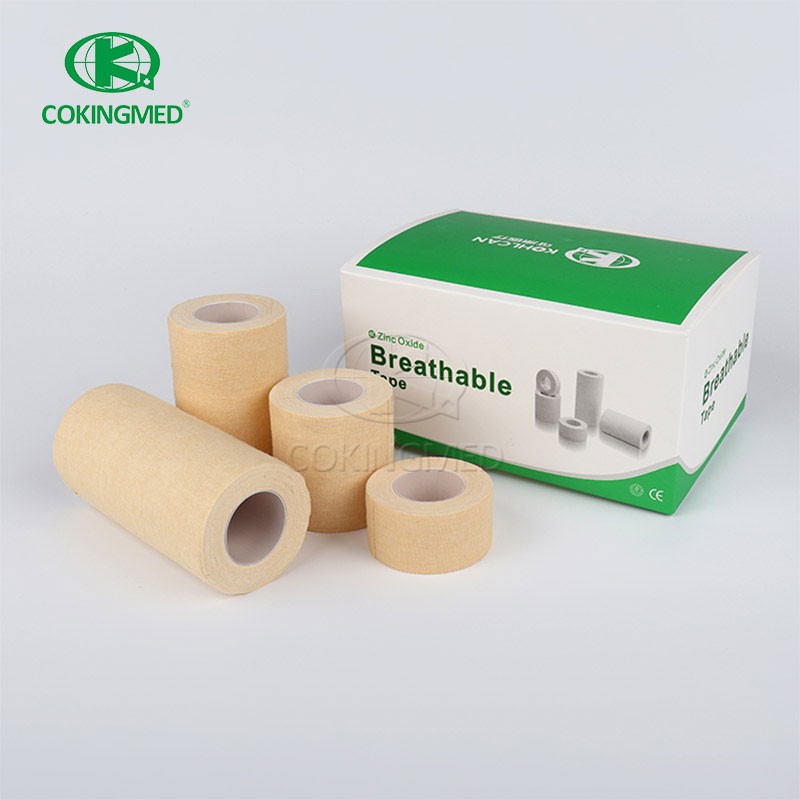
Microporous tape adopts a unique microporous design, and its surface is covered with evenly distributed tiny pores. This structure makes the tape have good air permeability and moisture absorption, while maintaining strong bonding strength. The substrate is mostly made of non-woven fabric or special film to ensure its softness and durability.
Medical tape uses medical-grade non-woven fabric or pure cotton fabric as the substrate, and the surface is coated with medical-grade pressure-sensitive adhesive. Its structural design focuses on low allergenicity and skin affinity, and usually has better flexibility and tear resistance. The production process of medical tape strictly follows the production standards of medical devices to ensure its biocompatibility and safety.
In terms of material selection, both tapes focus on safety and functionality. Microporous tape emphasizes breathability, while medical tape pays more attention to medical safety standards.
II. Performance characteristics comparison
Breathability is the most significant feature of microporous tape. Its microporous structure can effectively promote air circulation and prevent the skin from being stuffy. Although medical tape also has a certain degree of breathability, it mainly relies on the characteristics of the material itself.
In terms of viscosity, medical tape usually uses hypoallergenic medical glue, which has moderate viscosity, is easy to tear off and is not easy to leave residue. The viscosity of microporous tape varies according to different uses, but generally has strong adhesion.
In terms of anti-allergy, medical tape has undergone rigorous safety testing and has better biocompatibility. Although microporous tape also focuses on hypoallergenicity, the standard is relatively low.
In terms of comfort, both tapes pursue a good user experience. Microporous tape is suitable for long-term use due to its good breathability; medical tape pays more attention to the fit and comfort with the skin.
III. Application scenario analysis
In the medical field, medical tape is mainly used to fix medical devices such as dressings and catheters, and its safety and reliability are widely recognized. Microporous tape is mostly used for wound care that requires high breathability, such as the treatment of special wounds such as burns and bedsores.
In daily life, microporous tape is often used in sports protection, daily wound treatment and other scenarios. Medical tape is more used in home first aid kits as a basic reserve of medical supplies.
In terms of special uses, microporous tape is also used in electronic component fixation, precision instrument packaging and other fields due to its unique properties. Medical tape is strictly limited to medical-related uses.
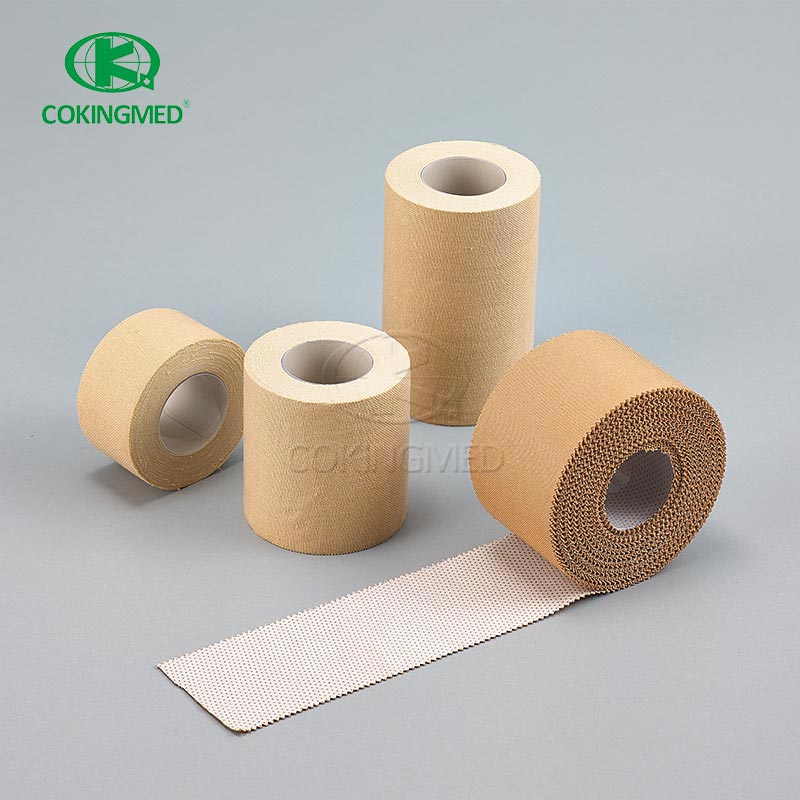
Through an in-depth analysis of microporous tape and medical tape, we can clearly see the differences between the two in structure, performance and application. When choosing to use, the most suitable product should be selected based on specific needs, considering factors such as breathability, viscosity, and hypoallergenicity. In medical use, it is recommended to give priority to medical tape that meets medical standards to ensure safe use. With the advancement of material technology, both types of tapes will continue to develop in their respective fields in the future to provide people with a better user experience.