English
 Chinese
 Pусский
 España
 Deutsch
 Français
 Português
Why Antimicrobial Surgical Tape Has Become a Industry Must-Have?
For years, the humble medical tape was an afterthought, a simple piece of adhesive wound dressing. No longer. Today, antimicrobial surgical tape has transitioned from a niche innovation to an absolute industry must-have. The reason is simple: it proactively defends against infection at one of the patient's most vulnerable points—the incision line—addressing a critical gap in post-operative care. This isn't just an upgrade; it's a fundamental shift in how we think about wound closure and patient safety, with brands like Cokingmed leading the charge through intelligent design and customization.
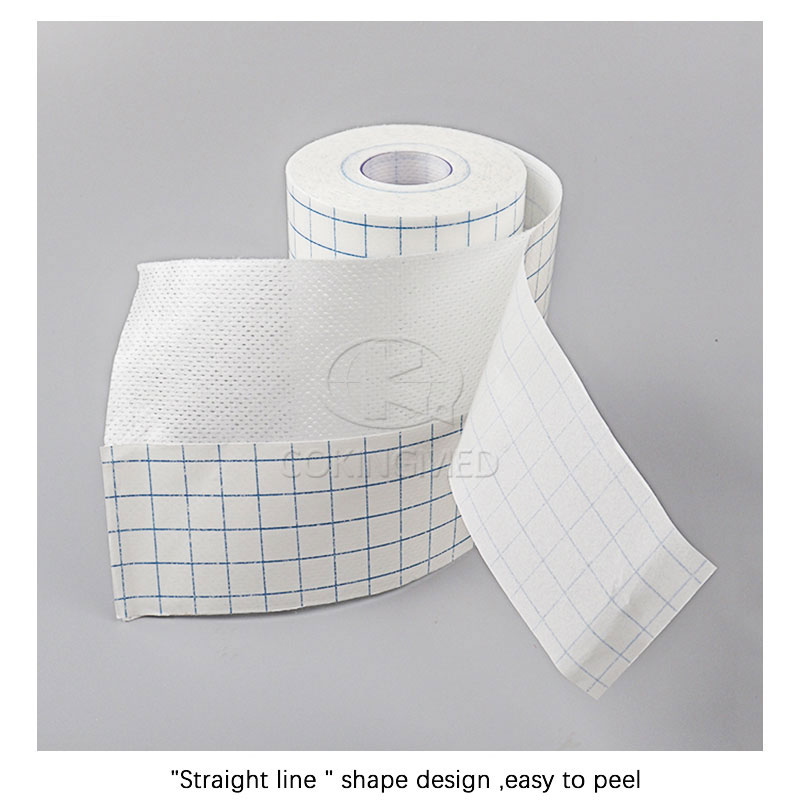
Why Ordinary Medical Tape Falls Short
Let’s be honest about traditional surgical tape. Its job was basic: to hold a sterile dressing in place or to secure lightweight tubing. It was designed for adhesion and flexibility, not for active defense. The moment it's applied to skin freshly cleansed with chlorhexidine gluconate or another antiseptic solution, the clock starts ticking. The skin is a living ecosystem, and the surgical incision creates a portal. Conventional medical adhesive tapes, often made of porous materials like cloth or paper, can become a literal breeding ground. Moisture from light exudate, perspiration, or the hospital environment itself wicks into the material. This warm, damp environment underneath and within the tape is perfect for microbial colonization.
The problem is compounded by the very nature of recovery. Patients move, skin stretches, and the adhesive bond can weaken, creating micro-lifts at the edges. These tiny gaps are open invitations for pathogens like Staphylococcus aureus (including MRSA) and Escherichia coli – common culprits in SSIs – to migrate from the surrounding skin into the wound. Think of it as leaving the back door to a fortress slightly ajar. The surgical drape and sterile field are long gone; the incision site is now protected only by a passive piece of tape. This critical vulnerability is why the healthcare industry has moved beyond passive protection. The demand is no longer for a tape that just sticks, but for one that shields.
The science of active protection
So, what transforms a roll of surgical tape into a frontline defender? The answer lies in integrated antimicrobial technology. Unlike simply applying an antiseptic ointment under a regular tape (a messy and inconsistent method), antimicrobial surgical tapes have the protective agent built directly into the adhesive layer or the backing material. This creates a continuous, controlled zone of inhibition right where it’s needed most.
The most common and trusted agents are ionic silver and chlorhexidine. Silver ions disrupt bacterial cell membranes and interfere with their metabolic processes, effectively neutralizing a broad spectrum of microbes. Chlorhexidine offers powerful, persistent antiseptic action on the skin. The genius of modern tapes is in the delivery system. The antimicrobial agent is often released in a sustained, controlled manner, maintaining its protective effect for the entire wear time—sometimes for up to seven days. This means the defense is active 24/7, whether the patient is resting or rehabilitating.
The data supporting this shift is compelling. According to a body of research in journals like the Journal of Hospital Infection, reducing the microbial burden at the wound site is directly linked to lower infection rates. One study focusing on clean surgeries found that the use of antimicrobial dressings at the incision line contributed to a significant reduction in superficial surgical site infections. This isn't just about avoiding discomfort; it's about preventing readmissions, additional antibiotic treatments (and the risks of antimicrobial resistance that come with them), and severe complications like deep organ space infections. The healthcare cost savings are enormous, but the human cost savings—preserving a patient's smooth recovery—are immeasurable.
Key scenarios where antimicrobial tape is indispensable
The value of this technology shines in specific, high-stakes scenarios. It’s in these moments that the choice of tape moves from a minor detail to a major clinical decision.
-
The Orthopedic Patient’s Journey: Picture a total knee replacement. The incision is long, often near areas prone to moisture. The patient will begin aggressive physiotherapy almost immediately, subjecting the tape to immense shear and stretch forces. A standard tape might fray, loosen, or trap sweat. An antimicrobial surgical tape with a robust, breathable polyurethane film backing does more than stay put. It withstands the movement, manages moisture vapor, and crucially, protects that lengthy incision from bacterial ingress during early ambulation, when the risk is peak.
-
Managing the Complex Wound: For a post-debridement wound from a diabetic ulcer or a burn, the environment is already challenging. The skin barrier is compromised, and exudate is present. Here, a silicone tape variant with antimicrobial properties is a game-changer. The gentle silicone adhesive minimizes medical adhesive-related skin injury (MARSI) on fragile surrounding skin, while the antimicrobial action protects the vulnerable wound bed from external contamination and helps manage bioburden. It’s protection and preservation in one.
-
The ICU Environment: In the intensive care unit, a patient might have multiple vascular access lines, monitoring leads, and an endotracheal tube secured on their chest. The skin, under constant assault from adhesives and devices, becomes irritated and broken. Securing these life-saving lines with an antimicrobial tape doesn’t just hold them securely; it creates a cleaner, healthier interface. It’s a simple intervention that can prevent a local skin infection from becoming a source of bloodstream sepsis.
Customization to Meet Clinical Needs
This is where a forward-thinking brand separates itself from the pack. At Cokingmed, we observed that the “one-tape-fits-all” approach was itself a limitation. A cardiac unit has different needs than a pediatric burn center. Our philosophy is to engineer solutions that fit the reality of the clinical environment, not the other way around.
Our antimicrobial surgical tape portfolio is built on this principle of customization. We don’t just offer a single product; we offer a system. For a hospital’s infection control committee focused on reducing CAUTI (Catheter-Associated Urinary Tract Infections) rates, we might highlight our breathable tape with a tailored silver formulation designed for long-term securement of urinary catheters, reducing skin irritation and microbial migration at the insertion site.
For an outpatient surgery center performing high-volume laparoscopic procedures, the priority is speed, patient comfort upon removal, and clear visibility of the small incisions. Here, our clear polyurethane film tape with a built-in, non-staining antimicrobial agent becomes the perfect partner. It protects without obscuring the site, allowing nurses to monitor for redness without constant removal and reapplication, which itself can disrupt healing.
This collaborative approach—listening to the unique challenges of an oncology ward, a sports medicine clinic, or an ER—allows us to tailor not just the product, but the support. It’s about providing a durable medical supply that acts as a reliable, intelligent part of the care team. Our tapes are designed to perform a specific defensive role, giving clinicians one less thing to worry about and patients a more secure foundation for healing.
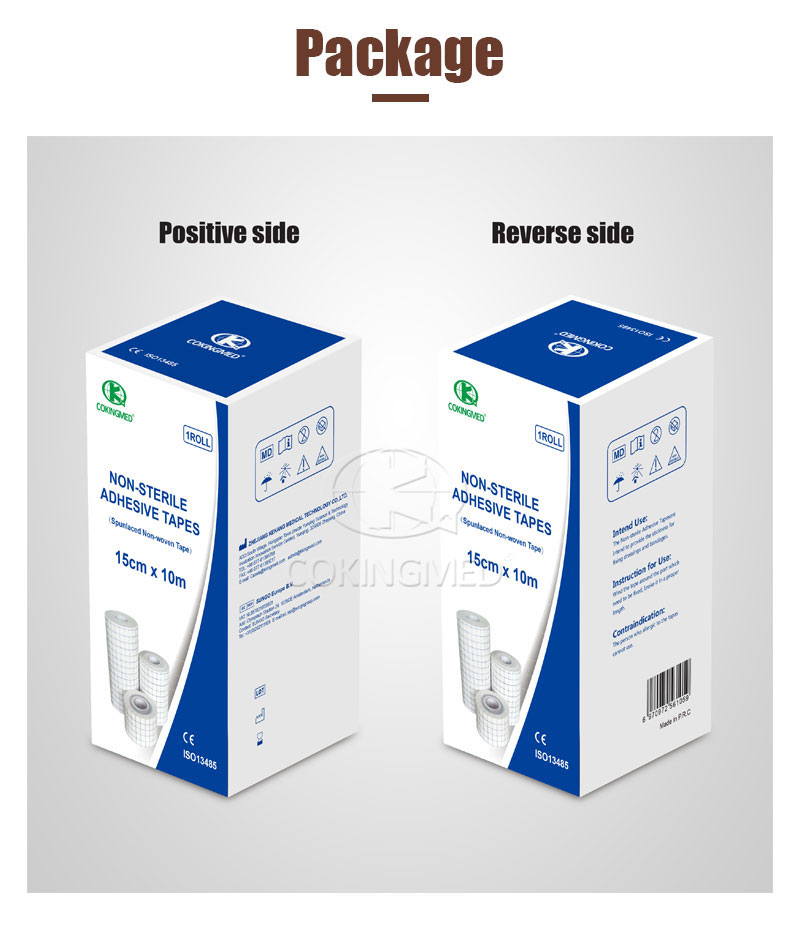
Antimicrobial protection becomes standard practice
The trajectory is clear. The question is no longer if antimicrobial technology will become standard in wound care, but how seamlessly it will be integrated. We’re moving toward a future where protective capability is a default expectation, not an add-on feature. The next evolution will likely see even smarter materials—tapes that can indicate pH changes signaling infection, or that integrate with patient monitoring systems.
For now, the imperative for hospital procurement teams, surgeons, and nurses is to re-evaluate what is considered a standard surgical supply. Specifying antimicrobial surgical tape is a low-cost, high-impact strategy for surgical site infection prevention bundles. It represents a profound understanding: in the battle against hospital-acquired infections, the final line of defense is often the first thing applied after the last stitch—the tape.
Choosing the right tape is an active decision in patient safety. It signals a commitment to protecting the entire surgical journey, from the sterile field of the operating room to the often-uncontrolled environment of recovery. In this new standard of care, passive materials are obsolete. The must-have is active, intelligent, and essential.
Ready to make antimicrobial protection your standard? Explore how Cokingmed's tailored antimicrobial surgical tape solutions can integrate into your infection prevention protocol. Contact our clinical specialists today for samples and see the difference proactive design can make for your patients and your outcomes. Visit our surgical tape product page to learn more.