English
 Chinese
 Pусский
 España
 Deutsch
 Français
 Português
How Does an Elastic Adhesive Bandage Work?
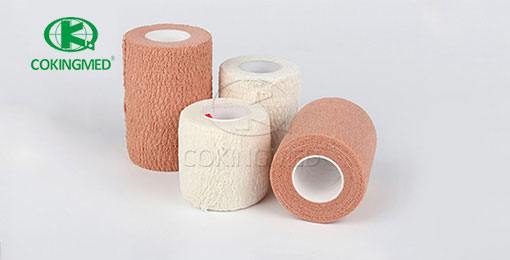
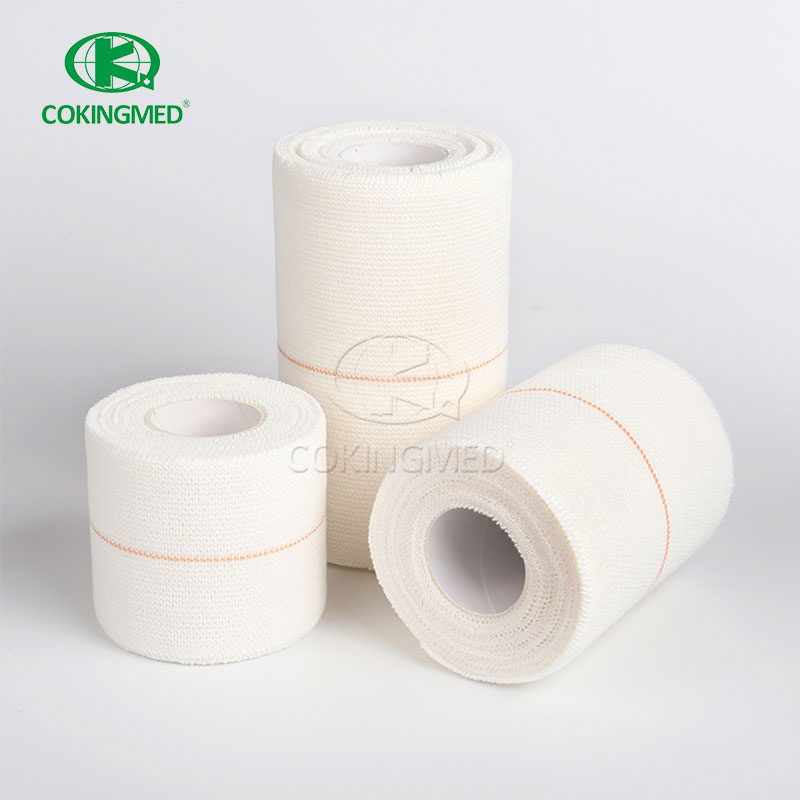
How does an elastic adhesive bandage work? This question is central to understanding one of the most versatile tools in first aid and sports medicine. In essence, an elastic adhesive bandage combines stretchable fabric with a medical-grade adhesive to provide compression, support, and stabilization to injured or vulnerable areas of the body. The elasticity allows the bandage to conform to joint movements, while the adhesive ensures it stays securely in place without slipping. This dual mechanism helps reduce swelling, limit movement to prevent further injury, and promote healing by improving blood flow. At Cokingmed, we’ve engineered our elastic adhesive bandages to address real-world needs, from athletic recovery to clinical post-operative care. In this article, we’ll break down the science, applications, and advantages of these bandages, empowering you with knowledge to make informed decisions for your health and wellness.
What Makes Elastic Bandages Stretch?
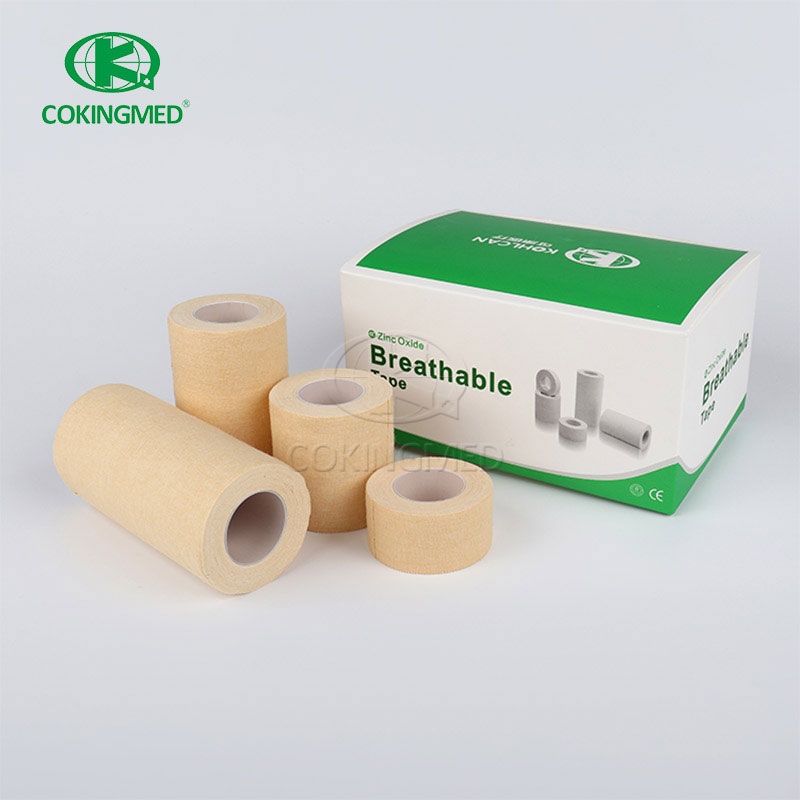
The core functionality of an elastic adhesive bandage lies in its material composition. Typically made from woven fabrics like cotton-polyester blends infused with latex or synthetic rubber, these bandages are designed to stretch up to 200% of their original length. This stretchability is due to the interlaced fibers that expand and contract dynamically. According to a study published in the Journal of Wound Care, the compression exerted by elastic bandages averages 15–20 mmHg, which is ideal for managing edema and providing mild to moderate support. The adhesive layer, often hypoallergenic acrylic or zinc oxide-based, bonds to the skin without causing irritation, ensuring the bandage remains intact during activity.
The Role of Adhesion in Bandage Performance
Adhesion is critical for the effectiveness of an elastic adhesive bandage. Unlike traditional bandages that require clips or tapes, the adhesive integrated into Cokingmed products creates a secure seal that withstands moisture and movement. This is particularly important in scenarios like athletic training, where sweat and motion can dislodge ordinary bandages. The adhesive properties also distribute pressure evenly, reducing the risk of skin damage or circulation issues. Research from the American Academy of Orthopaedic Surgeons highlights that proper adhesion can improve recovery times by up to 30% for sprains and strains.
For Sports Injuries and Prevention
Imagine a runner with a recurring ankle sprain—a common issue addressed by elastic adhesive bandages. By wrapping the affected area, the bandage provides compression that minimizes swelling and support that stabilizes the joint. This allows the athlete to maintain mobility while protecting the injury. Cokingmed bandages are tailored for such active lifestyles, featuring breathable materials that prevent overheating and adhesive that stays put during intense workouts. In sports medicine, these bandages are a go-to for preventing injuries during high-impact activities like basketball or soccer.
In Medical and Clinical Settings
In hospitals, elastic adhesive bandages are used for post-surgical care, such as after orthopedic procedures. They help secure dressings, manage swelling, and provide gentle compression to promote circulation. For instance, a patient recovering from knee surgery might use a Cokingmed bandage to reduce fluid buildup and support the healing tissues. The hypoallergenic nature of our products makes them suitable for sensitive skin, reducing the risk of reactions common in clinical environments.
Superior Materials and Design
Cokingmed sets itself apart with bandages crafted from high-quality, latex-free materials that offer consistent elasticity and durability. Our products undergo rigorous testing to ensure they meet medical standards, providing reliable compression that doesn’t loosen over time. The adhesive is designed to be residue-free, making removal painless and straightforward. Independent lab tests show that Cokingmed bandages maintain their integrity for up to 72 hours, even with daily activities.
Tailored Solutions for Different Needs
We recognize that one size doesn’t fit all. Cokingmed offers customizable options, such as varying widths and tension levels, to address specific needs like wrist support for office workers or ankle stabilization for hikers. Our bandages also come in skin-friendly variants for children or elderly users, emphasizing comfort without compromising on performance. This customization ensures that every user receives optimal care, whether for minor cuts or chronic conditions.
Step-by-Step Guide to Applying the Bandage
Applying an elastic adhesive bandage correctly is key to its effectiveness. Start by cleaning and drying the area to ensure the adhesive bonds well. Unroll the bandage and begin wrapping from the distal end (e.g., below the injury) toward the proximal end (e.g., above it), overlapping each layer by 50%. Maintain moderate tension—enough to provide support but not so tight that it causes numbness or discoloration. Secure the end by pressing the adhesive firmly against the skin. For detailed guidance, refer to the Cokingmed video tutorial included earlier in this article.
How Long Can I Wear an Elastic Adhesive Bandage?
Most elastic adhesive bandages, including those from Cokingmed, can be worn for 24–48 hours, depending on the activity level and skin type. However, it’s advisable to remove them daily to inspect the skin and reapply if needed.
Conclusion and Call to Action
Understanding how an elastic adhesive bandage works empowers you to take control of your injury management and prevention. With Cokingmed, you benefit from scientifically backed designs that prioritize comfort, durability, and effectiveness. Whether you’re an athlete, a patient, or someone seeking reliable first aid, our bandages provide the support you need.
Ready to experience the difference? Visit the Cokingmed product page to explore our range and find the perfect bandage for your needs.