English
 Chinese
 Pусский
 España
 Deutsch
 Français
 Português
Can Sports Tape Be Reused?
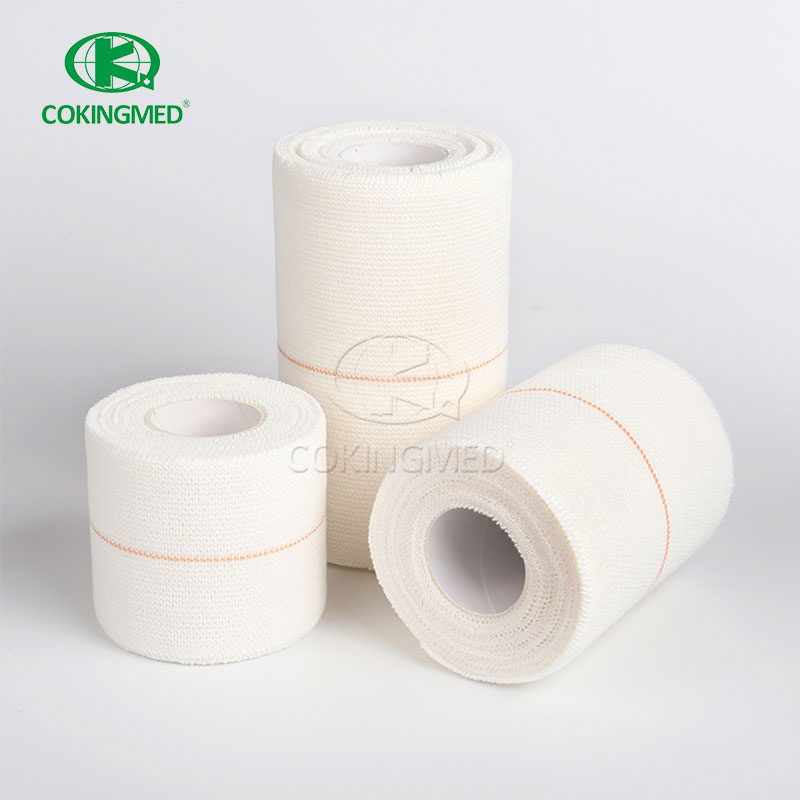
Sports tape is an essential item for athletes, fitness enthusiasts, and those in the process of injury recovery. It plays multiple roles, including providing support to joints and muscles, and alleviating pain during physical activities. One frequently asked question is whether sports tape can be reused. The answer isn't simple and is influenced by a variety of factors.
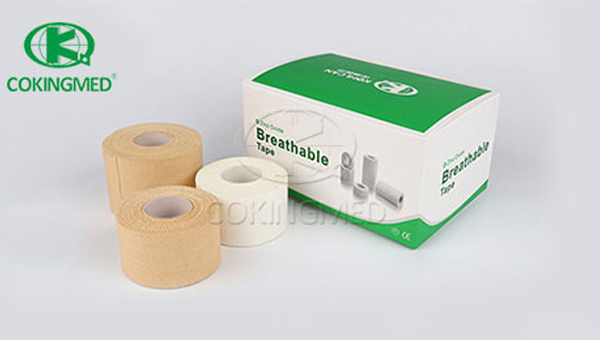
I. Material Composition of Sports Tape
A. Adhesive - based Tapes
Most sports tapes rely on adhesives, with a backing material designed to stick firmly to the skin. The adhesive in sports tapes is formulated to withstand intense physical exertions. However, repeated usage can cause the adhesive to gradually lose its stickiness.
Tapes with water - based adhesives are particularly vulnerable. When exposed to sweat, moisture, or repeated peeling and re - application, the adhesive starts to degrade. This loss of stickiness not only makes it challenging for the tape to offer the necessary support but also increases the risk of it detaching during use, which can be perilous in certain sports scenarios.
B. Non - Adhesive Tapes (e.g., Kinesiology Tape)
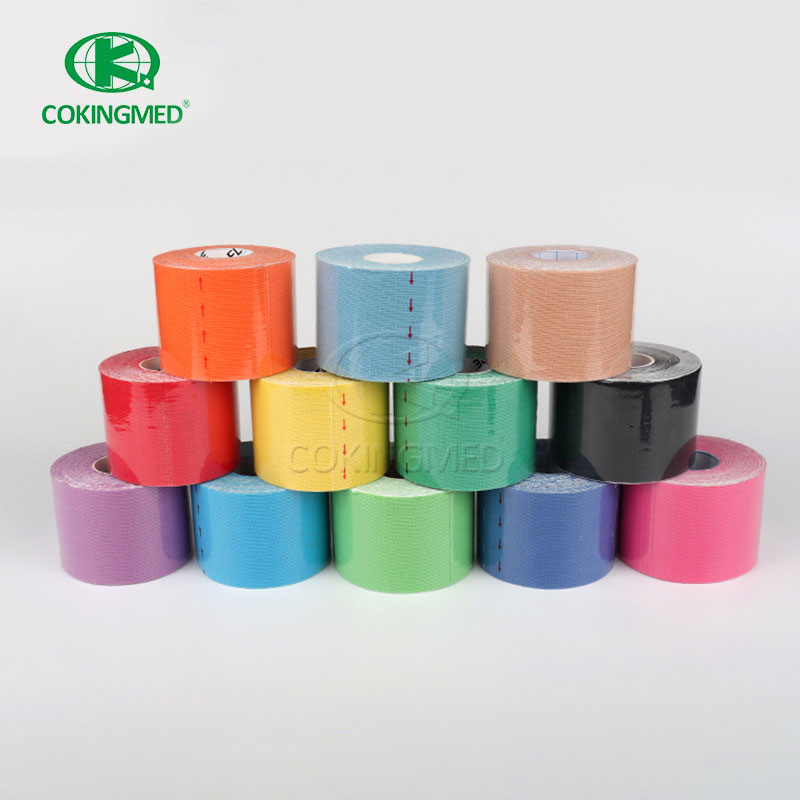
Kinesiology tape is a unique type of sports tape that doesn't solely depend on adhesives for its functionality. It features a special elastic property that enables it to stretch and move in sync with the body.
Although the adhesive on kinesiology tape may also experience wear and tear with repeated use, its non - adhesive characteristics, such as the ability to offer support through elastic tension, can sometimes still be exploited even after a few uses. Nevertheless, if the tape gets dirty, is stretched beyond its recommended limit, or the adhesive has severely deteriorated, its performance will be severely compromised.
II. Usage Scenarios and Degradation
A. Intense Sports Activities
In high - impact sports like football, rugby, or basketball, where athletes are in constant motion, sweating copiously, and subjecting the tape to substantial stress, reusing sports tape is typically not a good idea.
The combined effects of physical stress, moisture, and friction can rapidly degrade the tape's adhesive and structural integrity. For example, a football player who uses sports tape to support an ankle during a game will likely notice that by the end of the match, the tape has stretched, the adhesive has weakened, and the overall support has decreased significantly. Reusing such tape in the next game could lead to insufficient support and a higher risk of injury.
B. Low - Impact or Rehabilitation Use
Conversely, for low - impact activities such as yoga or light walking, or during the initial stages of injury rehabilitation, reusing sports tape might be more viable.
If the tape hasn't been overly stressed, hasn't been exposed to excessive moisture, and still retains some adhesive strength, it could potentially be used a second time. However, it's crucial to carefully examine the tape for any signs of wear, such as fraying edges or loss of elasticity.
III. Proper Care for Potential Reuse
A. Cleaning
If you're considering reusing sports tape, proper cleaning is of utmost importance.
Gently clean the tape using a mild, non - abrasive cleaner and a soft cloth. Avoid using harsh chemicals that could further damage the adhesive or the backing material. For instance, a simple mixture of water and mild soap can be used to remove dirt and sweat from the tape. But be cautious not to soak the tape, as excessive moisture can also impact the adhesive.
B. Storage
After cleaning, store the tape in a cool, dry place, away from direct sunlight.
Heat and humidity can accelerate the degradation of the adhesive. Roll the tape carefully and place it in a storage container or a resealable plastic bag to protect it from dust and other contaminants.
In conclusion, while it may be possible to reuse sports tape in certain situations, it's essential to carefully evaluate the tape's condition, the nature of the activity, and the potential risks involved. Generally, for safety and optimal performance, it's often advisable to use fresh sports tape for high - intensity sports and critical applications. However, with proper care and inspection, low - impact or less - demanding situations may permit limited reuse of sports tape.