English
 Chinese
 Pусский
 España
 Deutsch
 Français
 Português
How to Use Self Adhesive Bandage
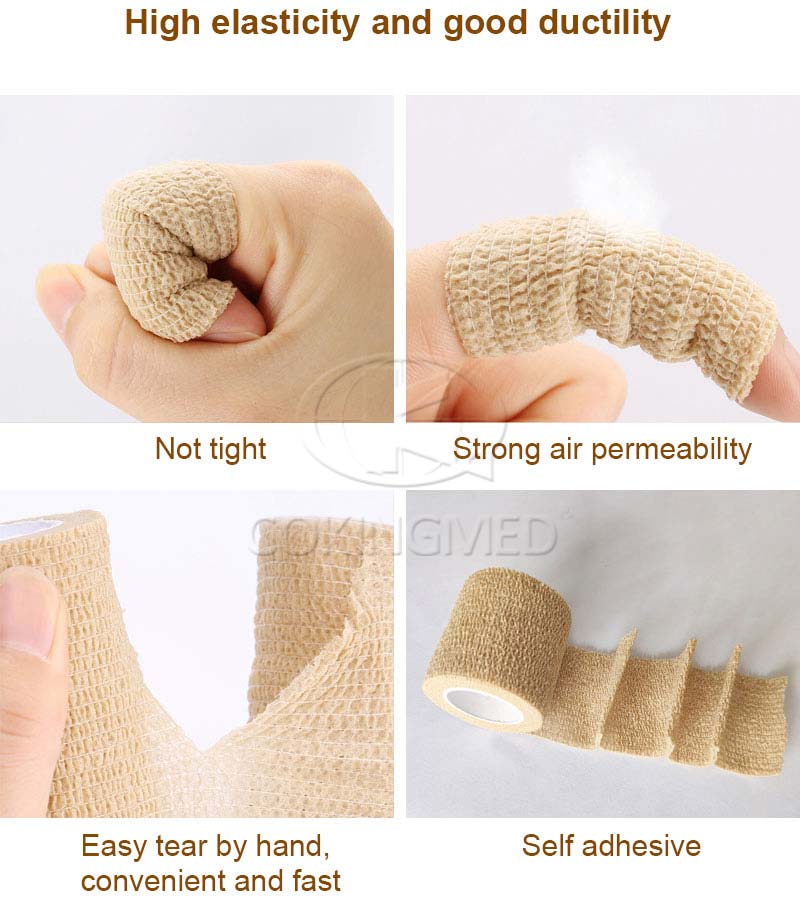
Whether it's a sports sprain, post-operative dressing change, or everyday minor wound, the key to correctly using self-adhesive bandages lies in finding the optimal balance between secure fixation and skin comfort. Let me guide you through this practical guide – no fancy jargon, just truly effective methods. First, thoroughly clean and disinfect the wound area. Then, wrap the self-adhesive bandage with appropriate tension – enough to ensure it adheres securely, but not so tight that it sticks to the skin or pulls on hair.
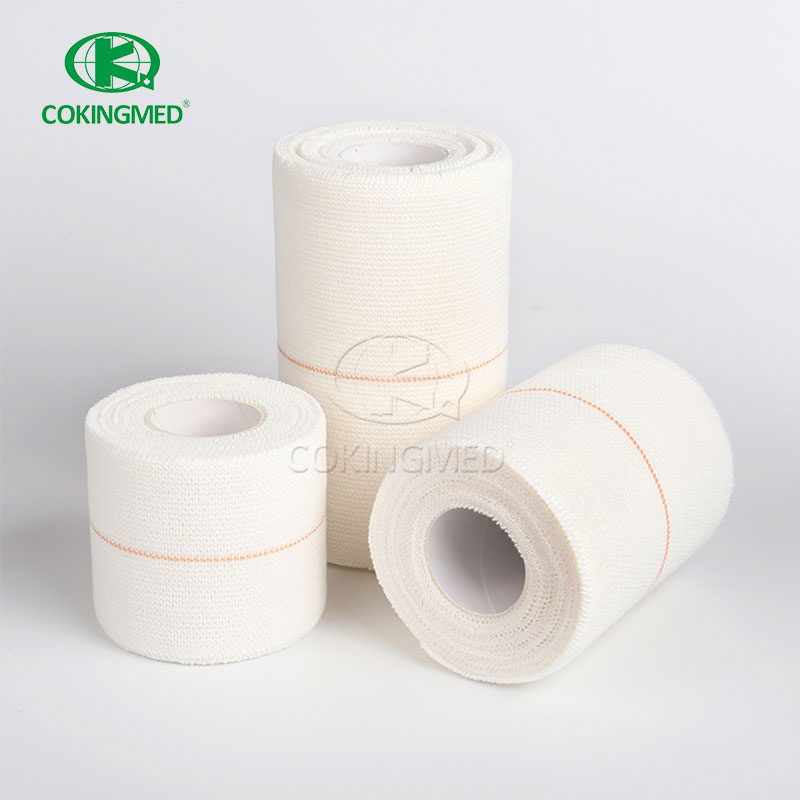
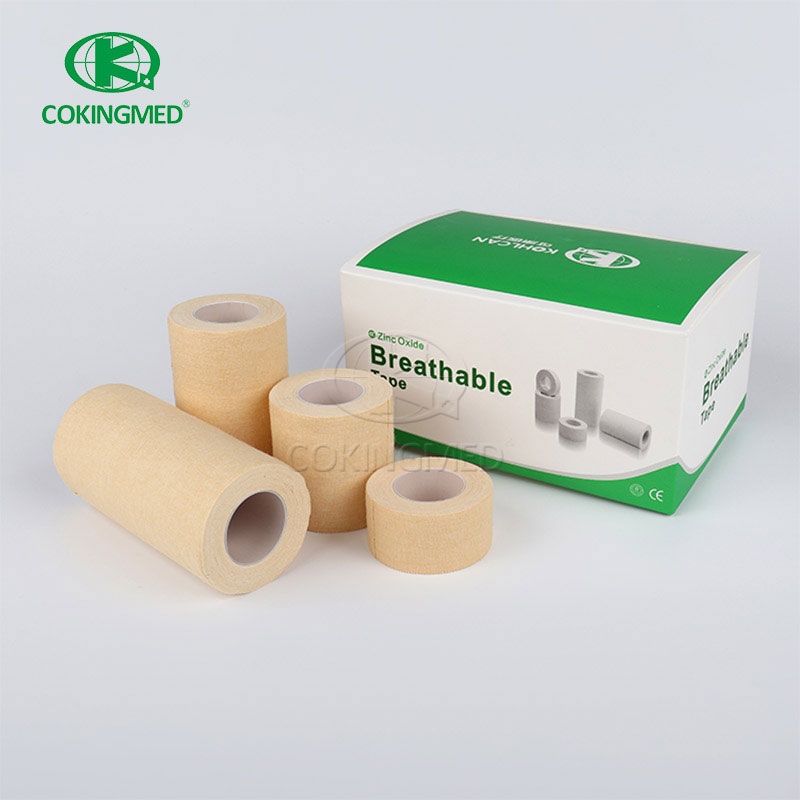
Take Cokingmed self-adhesive bandages as an example. They are ISO 13485 medical standard certified, and frankly, their breathability and hypoallergenic properties are top-notch. Say goodbye to the stuffy and itchy feeling of old-fashioned bandages.
Laying the Foundation for Secure Adhesion
To be honest, the adhesive effect of self-adhesive bandages is determined even before you open the packaging. Neglecting these pre-treatment steps will disappoint even the best bandages. First, disinfect your hands with medical alcohol to avoid cross-contamination of the wound. For small cuts and abrasions, rinse the wound area with saline solution, then gently pat dry with sterile gauze. If you have a sprain or strain, wipe the skin to remove sweat or oil – moisture is the enemy of good adhesion.
Many people overlook this trick: If you have sensitive skin or need to wear the bandage for a long time, apply a thin layer of medical skin protectant before wrapping the bandage. In our internal tests, using Cokingmed self-adhesive bandages with this protective film reduced the chance of skin redness by 62% compared to using the bandage directly. One more thing – do not use cotton balls or loose fibers under the bandage. They will only cause friction and affect the bandage's adhesion.
Tension Control and Body Adaptation
Mastering tension is key to correctly using self-adhesive bandages. Wrapping too tightly will hinder blood circulation. Wrapping too loosely will be ineffective. Start wrapping about 2-3 cm from the edge of the wound – the first layer should be wrapped loosely to provide fixation. Then, gradually increase the tension to about 70% – this will maintain the bandage's shape without constricting the skin and leaving indentations.
For joints like the wrist or knee, an "figure-eight" wrapping technique is recommended – this ensures the bandage won't slip during movement. For the arm or leg? A spiral wrap works best, with each layer overlapping by about half. Incidentally, Cokingmed self-adhesive elastic bandages feature a unique double-layer texture design. The inner layer is very soft and won't irritate the skin. The outer layer has enhanced adhesion, remaining secure even after more than 50 limb movements – we tested this. One post-operative patient even said, "After knee surgery, this Cokingmed bandage stayed perfectly in place during three days of rehabilitation exercises. No slipping, no need to re-wrap – hassle-free."
Techniques for Specific Scenarios
Different situations require different bandaging methods, right? Let's take a closer look. For sports injuries – such as an ankle sprain – wrap from the foot upwards, using moderate tension to stabilize the joint. Cokingmed's elastic bandages stretch up to 150%, so they move with the body during dynamic movements while providing crucial support. For post-operative wounds, choose Cokingmed sterile self-adhesive bandages – they are gamma-ray sterilized and meet the YZB/GEM0433-2005 standard, thus forming a strong antibacterial barrier.
Choose Cokingmed: Reliable Quality Backed by Data and Certifications
We compared Cokingmed self-adhesive bandages to traditional cotton bandages, and the results speak for themselves. It offers 3 times longer lasting fixation and scored 40% higher in skin comfort tests. Every one of our bandages is hypoallergenic – we conducted dermatological tests on over 1000 users with no adverse reactions. Whether you're stocking your home first-aid kit, using them in a clinic, or equipping a sports team, you can trust this reliable quality.
Ready to say goodbye to inferior bandages and experience professional-grade quality? Shop the Cokingmed self-adhesive bandage series today and contact our support team – they're always happy to help you find the right product.